 Follow
When most people place a recyclable item in a collection bin, they probably don’t think much about what happens next. In many places, that item may travel just a few miles before being sorted and processed. In Alaska, the journey is often very different.
With hundreds of communities spread across more than 660,000 square miles, and many without road connections, recycling depends on a remarkable network of community organizations, transportation providers, recycling facilities, ports, and industry partners working together to keep valuable materials in use.
This month, we’re taking a closer look at the people, partnerships, and innovative solutions that make recycling possible across Alaska.
Recycling Access Across Alaska
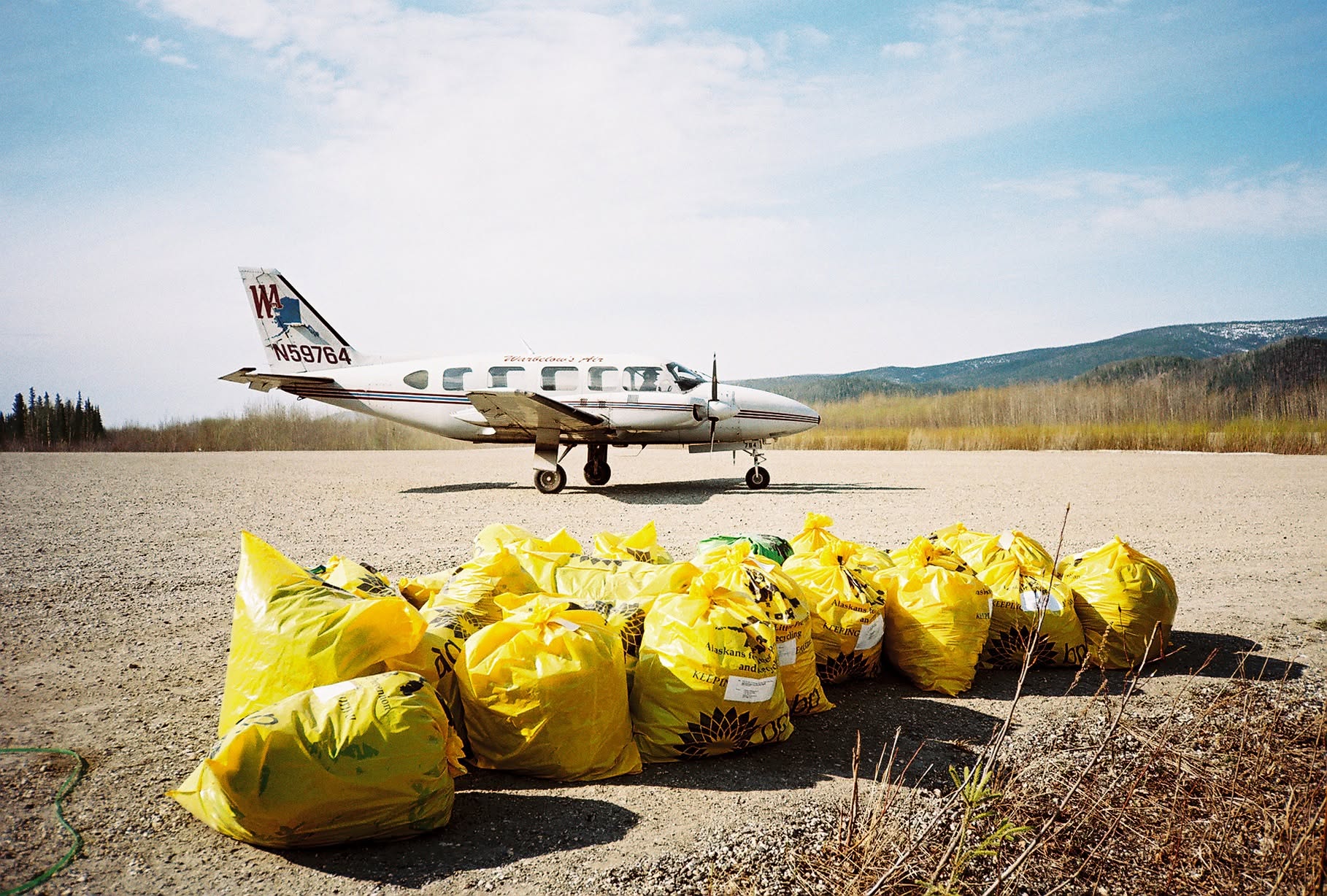
One of the biggest challenges facing recycling in Alaska is simply access. While many communities have year-round recycling opportunities, the services available vary depending on location. Larger population centers like Anchorage, Fairbanks and Juneau often provide the ability to recycle a wider variety of materials, while smaller communities and rural villages may collect only certain items or participate in seasonal recycling programs.
Fortunately, organizations across the state continue to expand opportunities for Alaskans to recycle closer to home. Some of the many organizations, and ALPAR partners, helping make recycling accessible are:
- Anchorage Recycling Center (Smurfit WestRock)
- Fairbanks North Star Borough Central Recycling Facility, operated by Green Star of Interior Alaska
- Valley Community for Recycling Solutions
- Juneau RecycleWorks
These organizations, and many, many others provide valuable recycling opportunities for residents, businesses, and visitors throughout Alaska.
The Journey Doesn’t End at the Recycling Bin
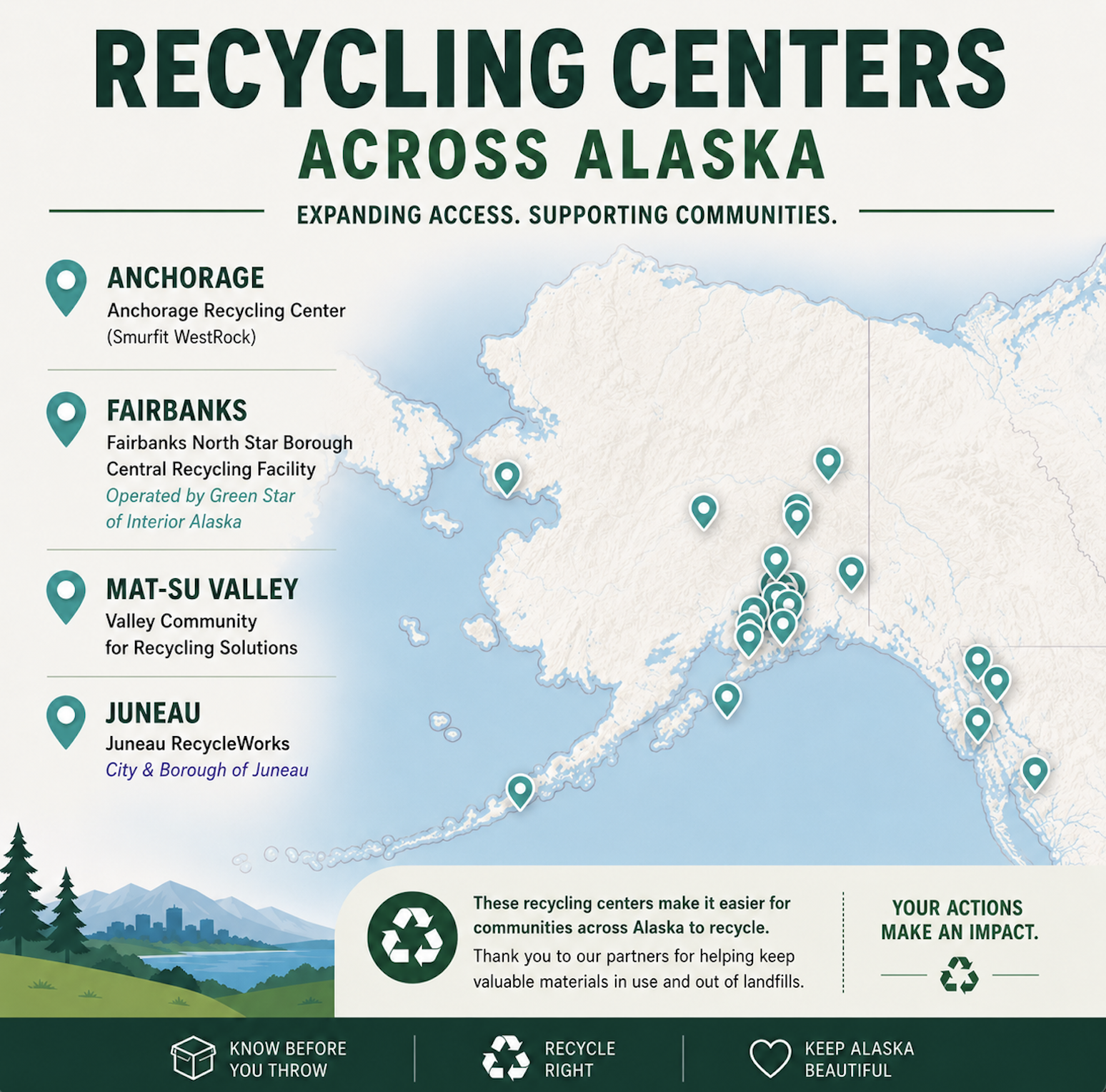
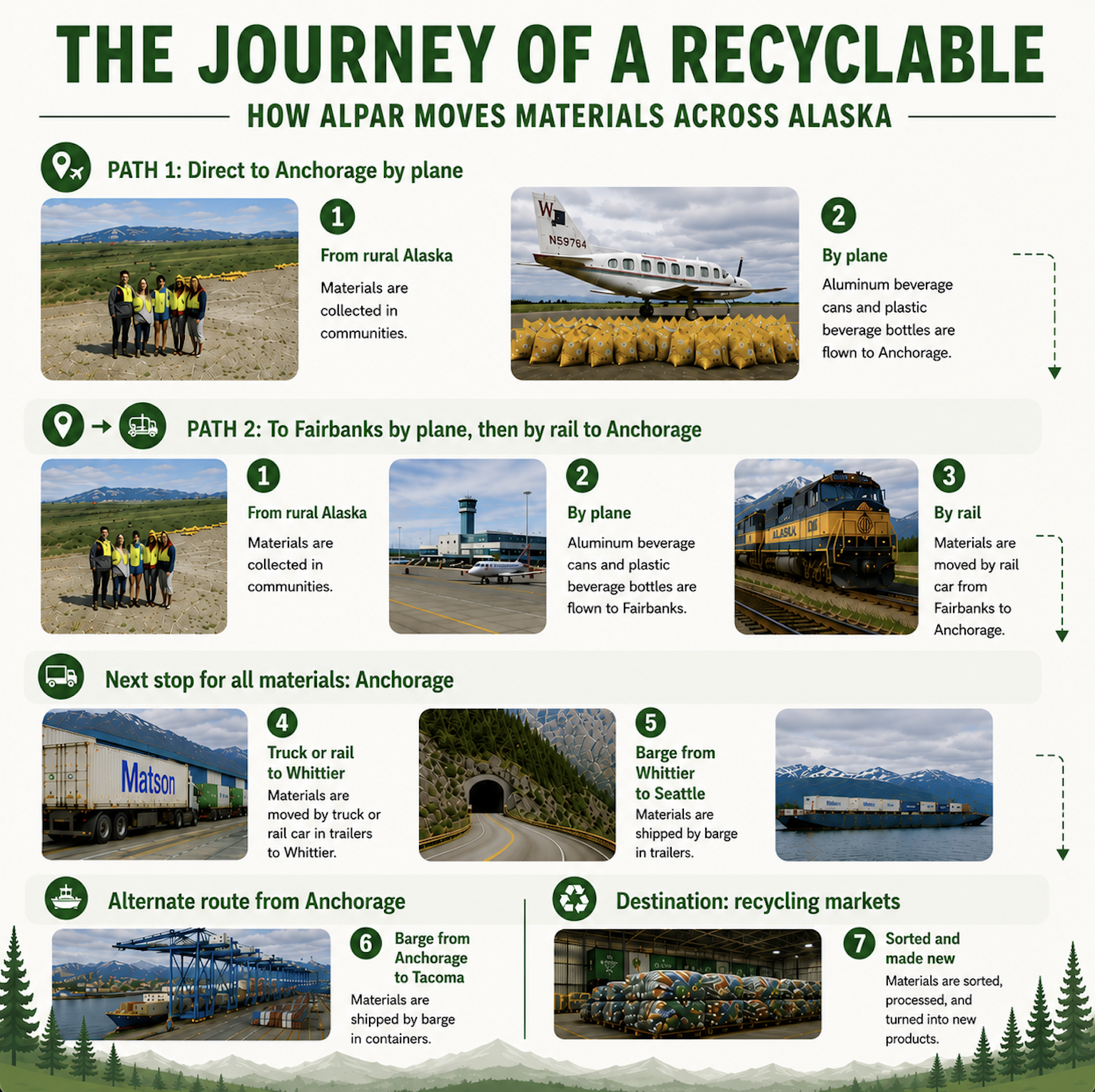
Recycling in Alaska is as much a transportation story as it is a recycling story. Once materials are collected, many continue their journey by airplane, truck, railroad, and barge before eventually reaching processing facilities and manufacturers outside Alaska. For example, recyclable materials collected in rural communities may first travel by air to Anchorage or Fairbanks. From there, materials may continue by rail or truck to coastal ports before being shipped south to recycling markets, where they’re sorted, processed, and transformed into new products.
Every step requires careful coordination among communities, transportation providers, ports, shipping companies, and recycling partners.
Innovation in Plastic Recycling
Plastic recycling has changed significantly throughout the years, and especially in recent years. Historically, many plastic products had few recycling options because they were difficult and expensive to sort and process. Today, advances in technology and new partnerships are creating additional opportunities to recover plastics that once would have been discarded.
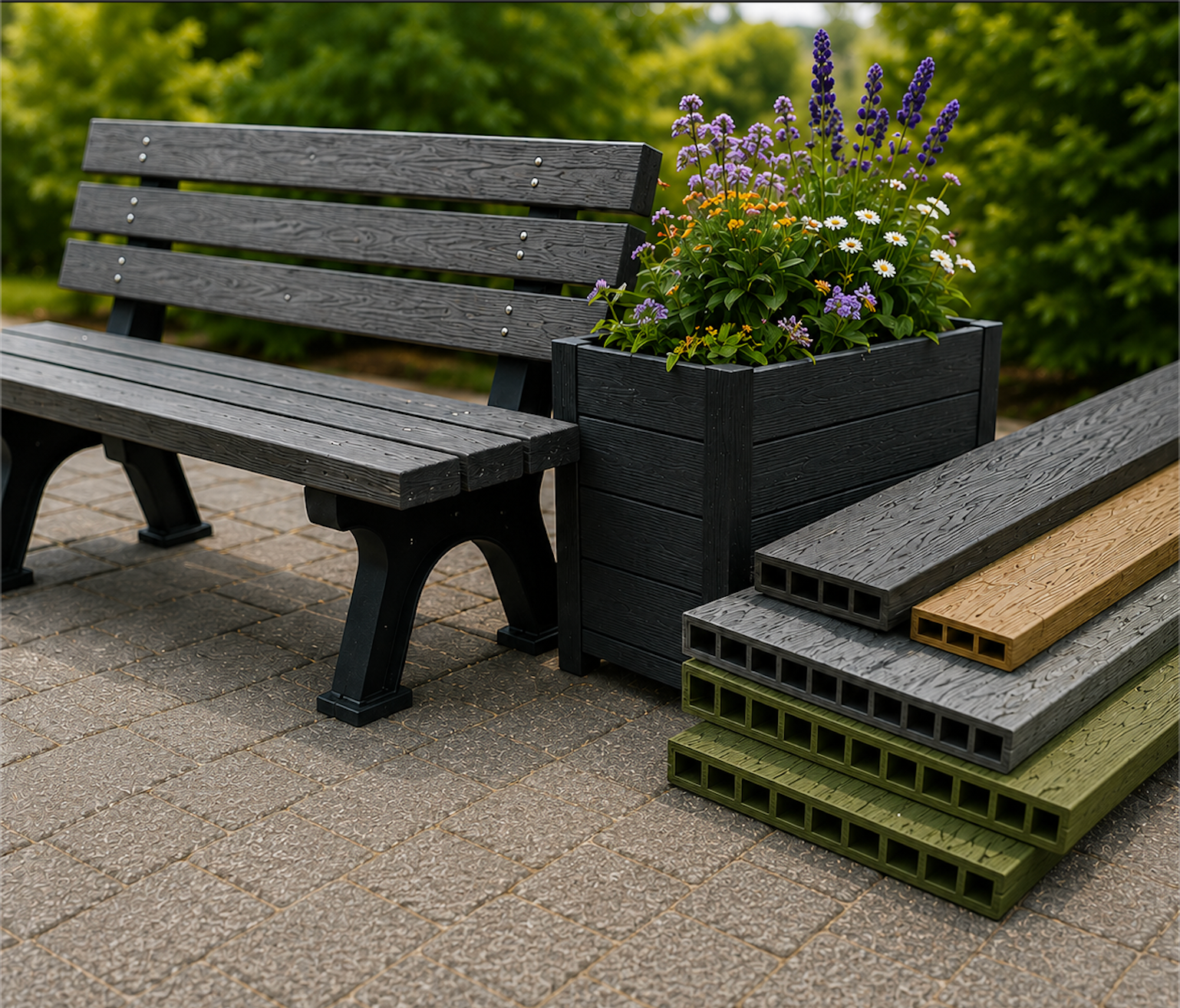
One example is Alaska Plastic Recovery, which works with partners to process many plastics collected in Anchorage into Grizzly Wood®, a durable composite material used for benches, picnic tables, landscaping products, and other long-lasting applications. Innovations like these help keep valuable materials in circulation while reducing the amount of waste sent to landfills.
Know Before You Throw
One of the easiest ways to improve recycling is by recycling the right materials. Throughout June, ALPAR launched a new Know Before You Throw educational series to answer common recycling questions and help reduce contamination.
This month’s topics included:
? Cardboard
Clean, dry cardboard is one of the most valuable recyclable materials collected in Alaska. Remember to:
- Flatten boxes.
- Keep cardboard clean and dry.
- Remove packing materials.
- Check with your local recycling program for accepted materials.
Many communities, including Anchorage, also accept clean pizza boxes for recycling.
?? Plastics
Plastic recycling opportunities continue to evolve across Alaska. Because accepted materials vary by community and recycling markets change over time, it’s always best to check with your local recycling program before recycling unfamiliar plastic items. Avoid “wishcycling” (placing items in the recycling bin simply because you hope they can be recycled) as this can contaminate recycling loads and reduce recycling efficiency.
Every Partner Makes a Difference
Recycling in Alaska wouldn’t be possible without the many organizations and individuals working behind the scenes every day. This June, we celebrated Waste & Recycling Workers Week, where we recognized the people who help make recycling possible across the state.
From collection crews and recycling facility operators to drivers, mechanics, cargo handlers, pilots, and shipping partners, countless individuals work behind the scenes every day to keep valuable materials in use and out of landfills.
In Alaska, recycling depends on this statewide network of workers, community partners, transportation providers, and recycling facilities to connect communities with recycling opportunities from local drop-off centers to some of the most remote parts of the state.
Thank you to the waste, recycling, transportation, and logistics professionals who help keep Alaska clean and connected.
- Municipality of Anchorage Solid Waste Services
- Valley Community for Recycling Solutions
- Green Star of Interior Alaska
- Anchorage Recycling Center
- Matson in Alaska
- Lynden / Alaska Marine Lines
- TOTE Maritime
- Alaska Air Carriers Association
- …and many more.
Looking Ahead
As summer continues, many Alaskans will be spending time camping, hiking, fishing, and exploring our incredible state. Next, we’ll shift our focus to litter prevention and responsible recreation, sharing tips for keeping Alaska’s parks, campgrounds, beaches, and trails clean while enjoying everything summer has to offer.
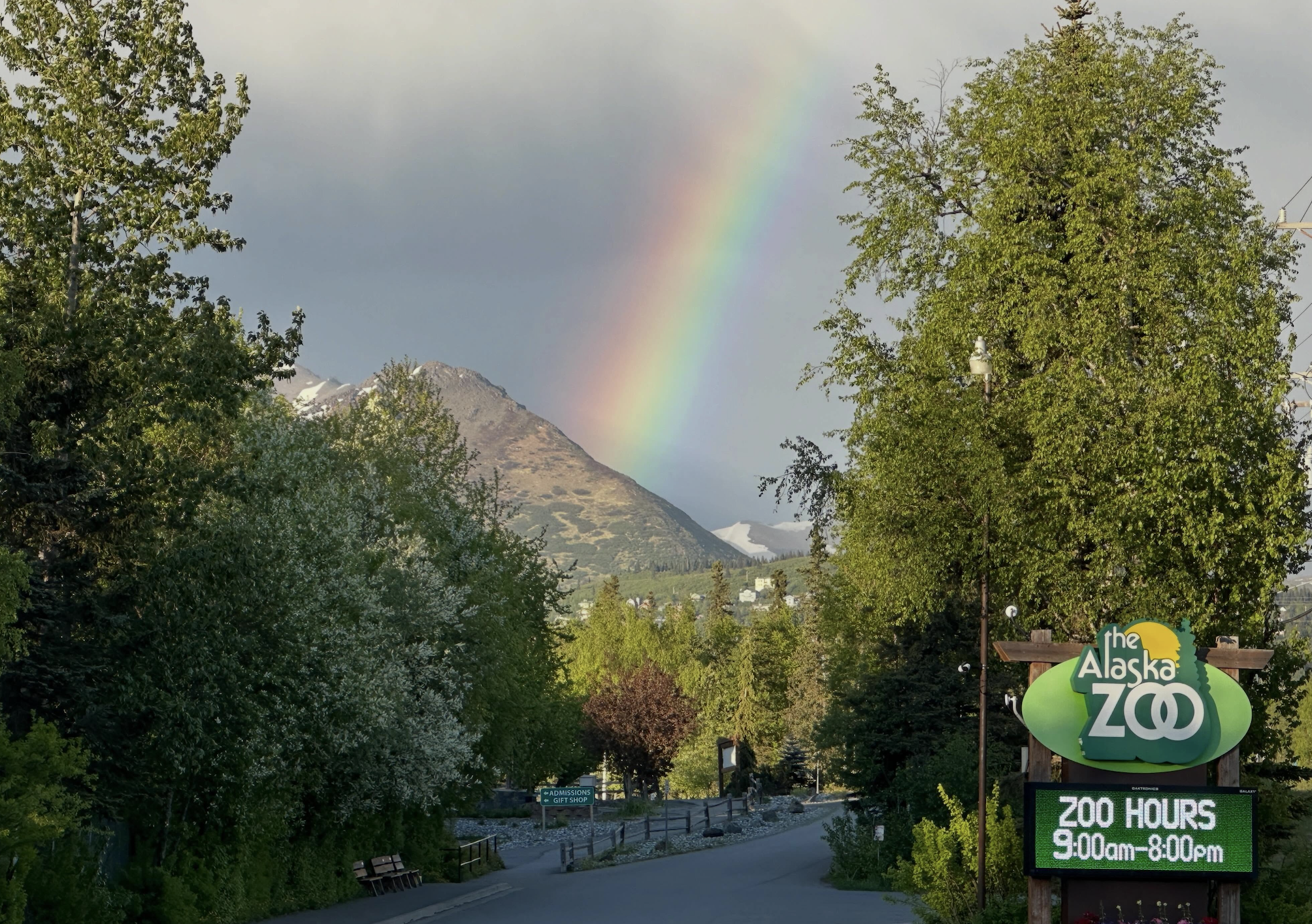
We’ll also be participating in Summer Family Fun Days at the Alaska Zoo on Sunday, July 19, where families can learn more about recycling, sign up for Can Do Kids, and discover ways to help keep Alaska beautiful. We hope to see you there!