 Follow
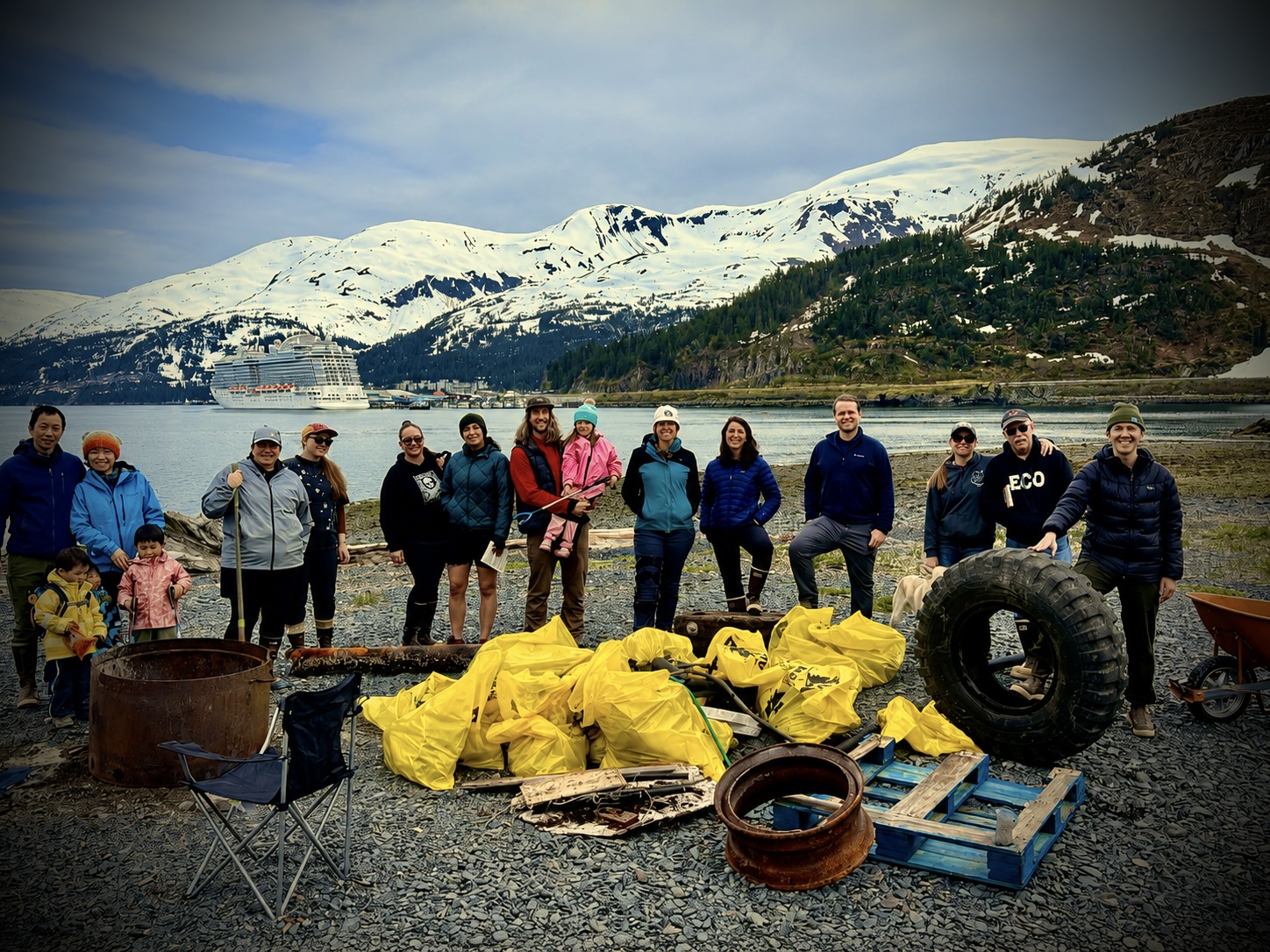
As Alaska emerged from winter, communities across the state rolled up their sleeves and headed outdoors for one of the busiest cleanup seasons yet.
From neighborhood cleanups in Anchorage and Fairbanks to remote marine debris removal projects, Alaskans are coming together to remove litter, improve public spaces, and help protect the landscapes and waterways that make our state unique.
A Season of Community Cleanups
Cleanup events take many forms, but they all share a common goal of keeping Alaska beautiful. Throughout May, thousands of volunteers participated in cleanup efforts across the state, including the Anchorage Chamber of Commerce Citywide Cleanup, a month-long initiative that provides residents with cleanup bags, disposal sites, and opportunities to remove litter from neighborhoods, parks, and roadways.
In Fairbanks, volunteers gathered for Golden Heart Clean Up Day, a nearly 50-year community tradition focused on removing litter exposed by spring snowmelt before the busy summer tourism season. Other communities organized their own local efforts, including the Native Village of Kluti-Kaah’s Spring Clean Up in Copper Center and stream and habitat cleanups coordinated by organizations like the Anchorage Waterways Council.
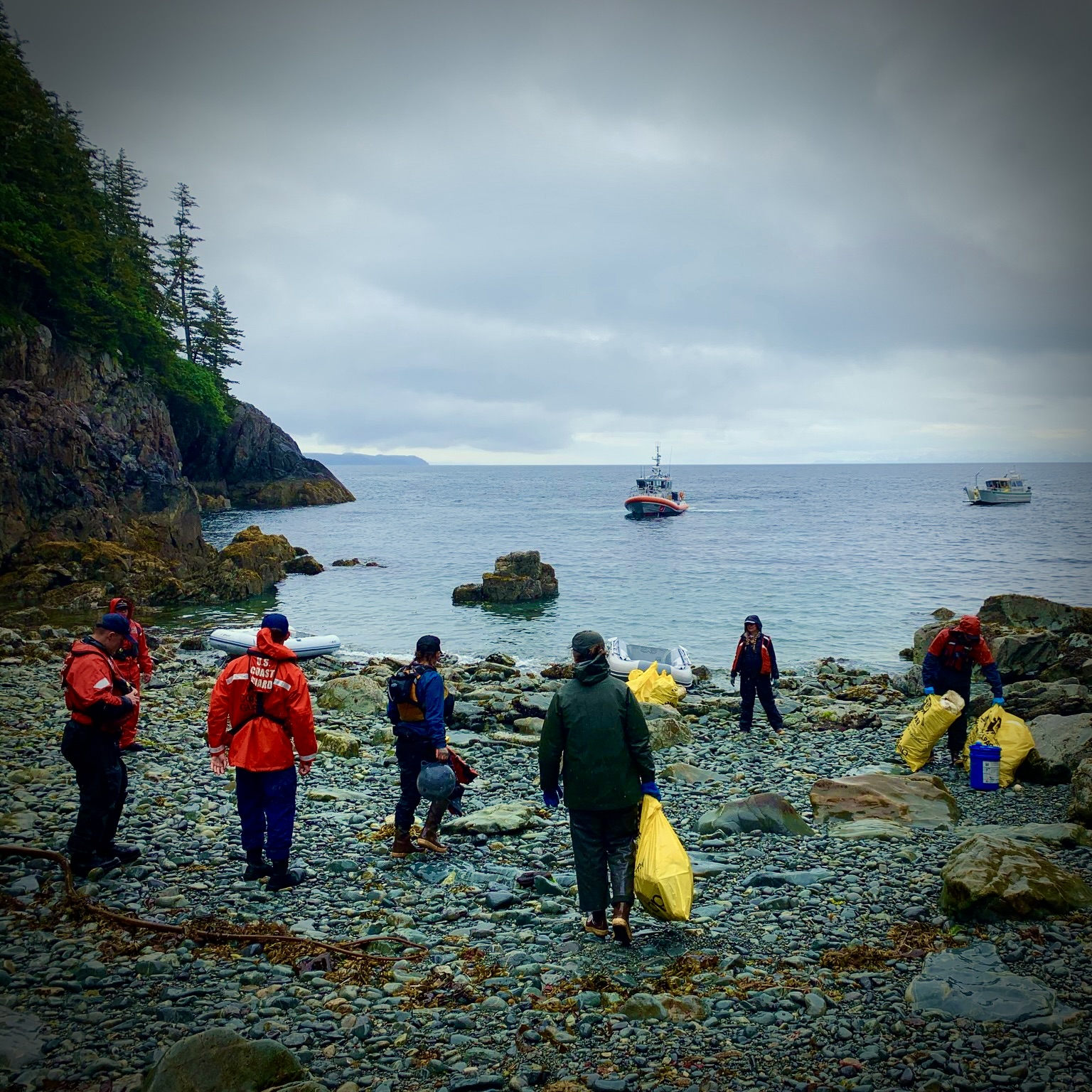
While many spring cleanups have wrapped up, opportunities to get involved continue throughout the summer. One example is the Montague Island Cleanup Project, organized by the Center for Alaskan Coastal Studies in partnership with Gulf of Alaska Keeper. Beginning each June, volunteers spend eight weeks removing marine debris from remote Gulf Coast beaches while helping protect wildlife habitat and collect important marine debris data.
Youth Leading the Way
Many of Alaska’s cleanup successes begin with young people. Through ALPAR’s Youth Litter Patrol program, nonprofit and tribal organizations provide summer employment opportunities that allow youth to help clean up their communities while learning about environmental stewardship, teamwork, and civic responsibility.
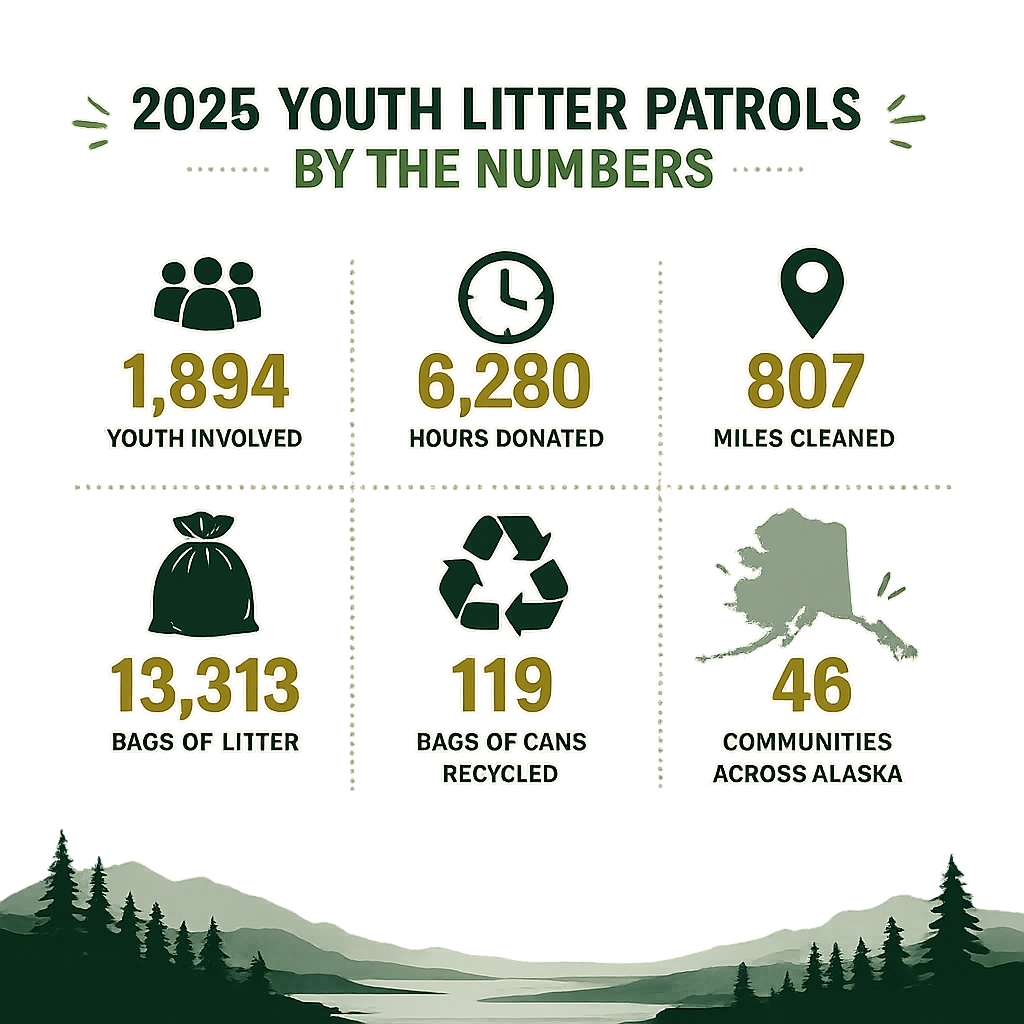
Youth Litter Patrols operate each summer, with applications due in April, and results reported in October. In 2025 alone, nearly 1,900 youth participated in cleanup efforts across 46 communities, collecting more than 13,000 bags of litter, cleaning hundreds of miles of roads, beaches, and waterways, and contributing thousands of hours toward a cleaner Alaska. The program exceeded its goal of engaging at least 1,500 youth and removed significantly more litter than the previous year.
ALPAR’s Youth Litter Patrol program is supported by a network of sponsors and partners, including:
- Municipality of Anchorage Solid Waste Services
- ConocoPhillips Alaska
- Northern Star Resources, Ltd. (Pogo Mine)
Together, these partners help provide funding, safety equipment, and cleanup supplies that make the program possible.
Before and After: Chefornak
One recent example comes from Chefornak, where local Youth Litter Patrol participants worked together to remove litter from a community shoreline area.
Before cleanup efforts began, litter was scattered throughout the landscape. By working together, youth participants were able to remove debris and improve the area for residents and visitors alike.
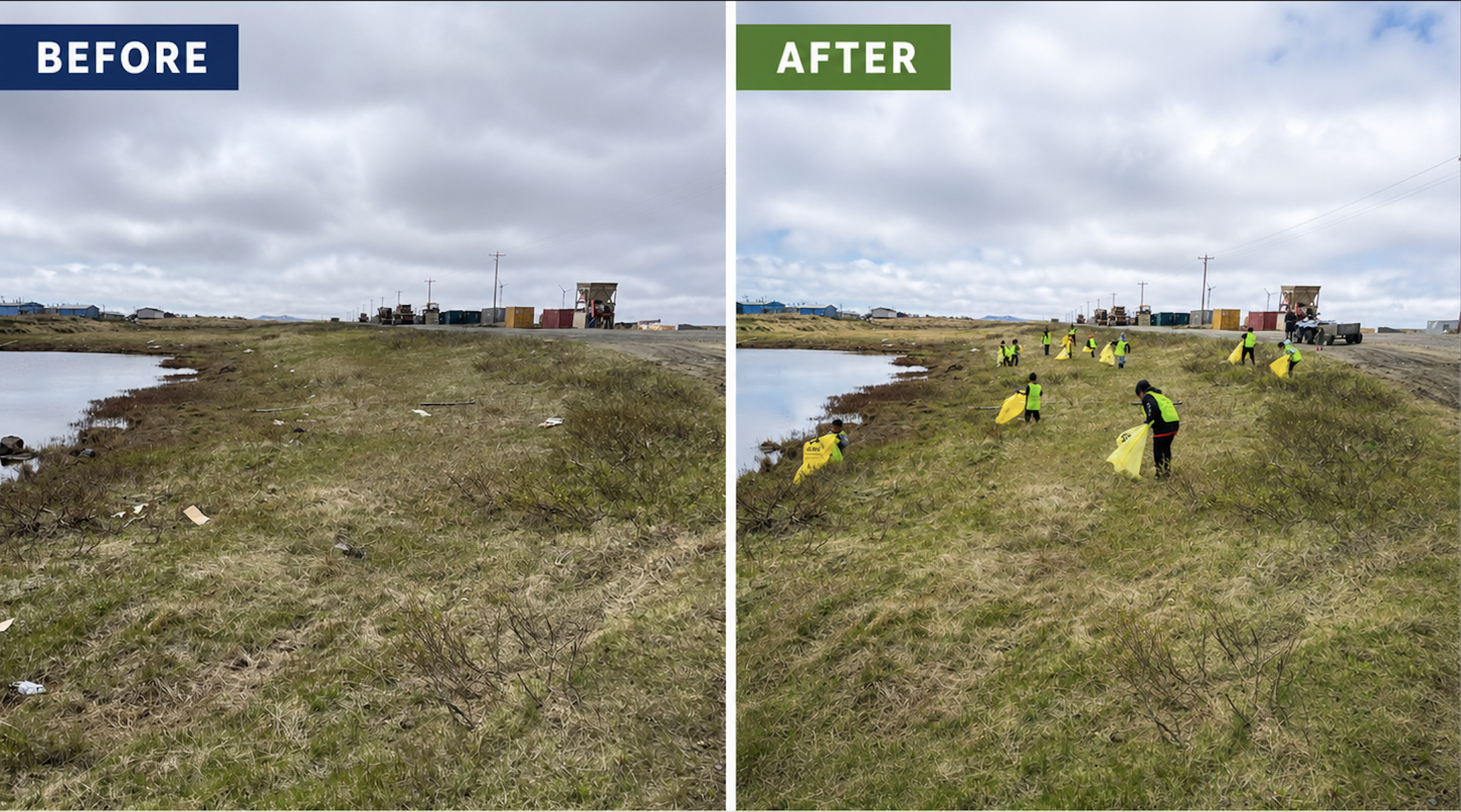
These types of transformations show the power of community involvement. Whether it’s a group of volunteers spending an afternoon picking up litter or a team of Youth Litter Patrol participants working throughout the summer, every bag collected contributes to a cleaner and healthier Alaska.
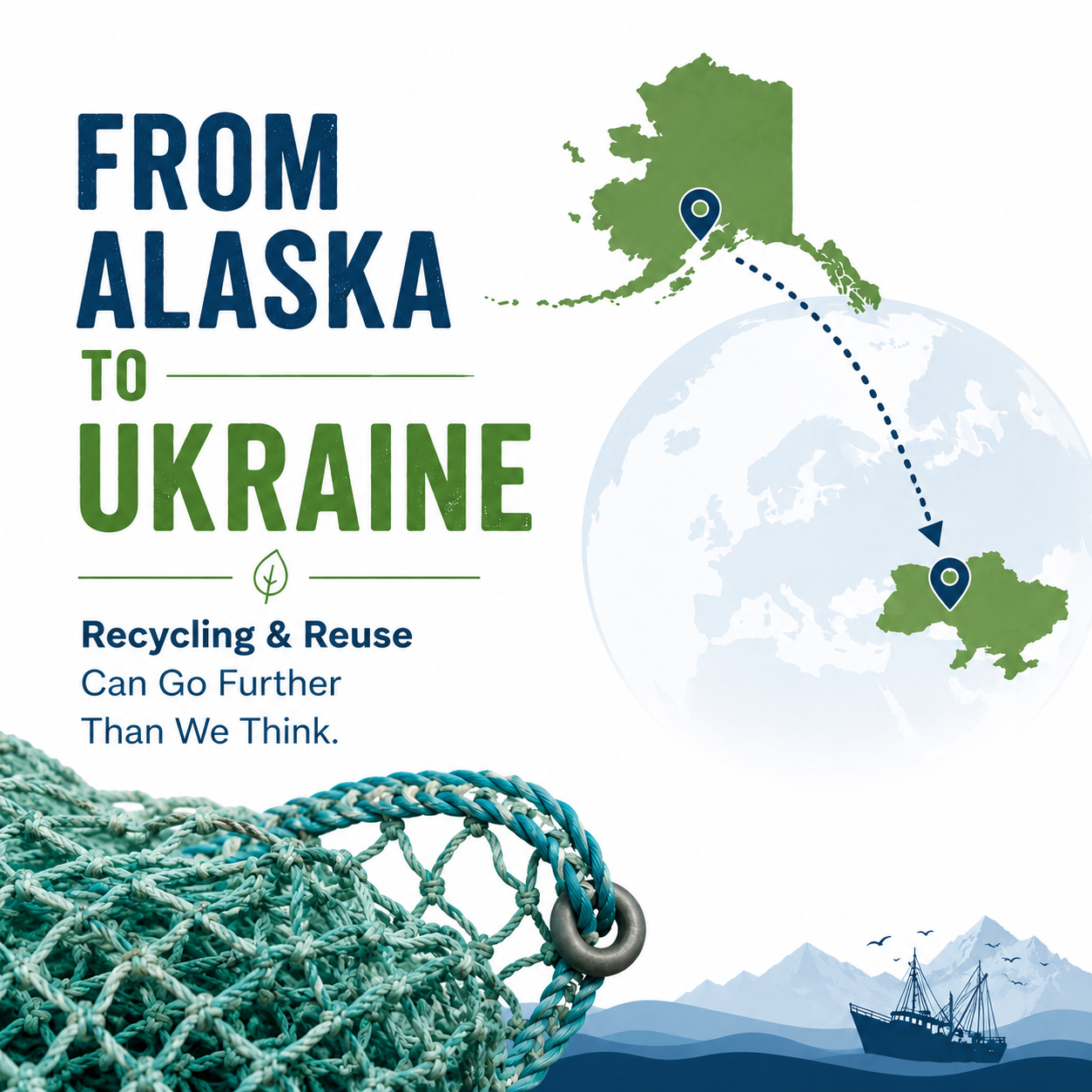
Alaska Fishing Nets Find New Purpose
Recycling and reuse can sometimes take materials farther than we ever expect. A recent Alaska Beacon story explained how retired commercial fishing nets from Alaska are being repurposed in Ukraine for protection and infrastructure projects.
The story also shows the important work of organizations such as Net Your Problem, which helps recover, recycle, and responsibly manage fishing gear and marine debris across Alaska and the Pacific Northwest.
It’s a reminder that materials often retain value long after their original purpose has ended. Through recycling, recovery, and innovative reuse, waste can become a resource with benefits far beyond the community where it originated.
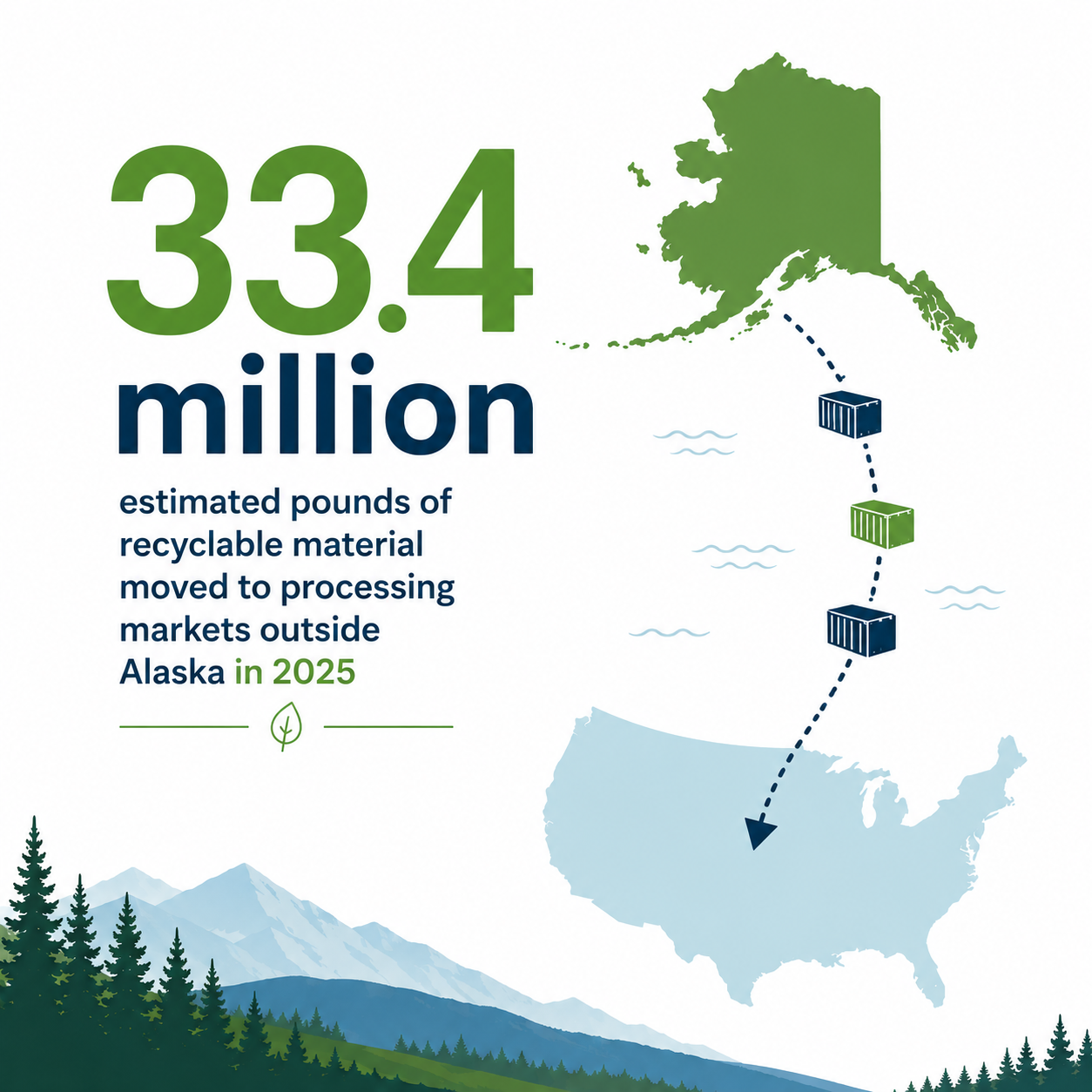
33.4 Million Pounds Recycled in 2025
Alaskans continue to demonstrate the power of recycling at scale. In 2025 alone, ALPAR estimates that approximately 33.4 million pounds of recyclable material were transported from Alaska to processing markets outside the state. For a geographically vast and remote state, recycling requires collaboration between communities, transportation providers, processors, and countless residents who take the time to sort and recycle materials every day.
This accomplishment reflects the collective efforts of volunteers, businesses, schools, nonprofit organizations, recycling centers, and community partners working together to keep valuable materials out of landfills and in productive use.
Keeping the Momentum Going
Cleanup season may begin with spring breakup, but stewardship continues throughout the year. Whether you’re participating in a community cleanup, supporting a local recycling effort, volunteering with an environmental organization, or simply picking up litter when you see it, your actions help make a difference.
ALPAR is grateful to the volunteers, youth participants, sponsoring organizations, businesses, and community partners who help keep Alaska beautiful through litter prevention and recycling efforts across the state.
Together, we’re proving that small actions add up—and that a cleaner Alaska is something we can all help create.
Keeping Alaska Beautiful since 1982.