 Follow
Each April, Earth Day offers a chance to reflect on how small, everyday actions contribute to a healthier environment. Increasingly, communities across the country use the entire month to build awareness and take action. In Alaska, those actions are adding up in meaningful ways, from classrooms and communities, to remote villages and family homes.
Through programs like Can Do Kids and Flying Cans and Flying Bottles, ALPAR is helping make recycling accessible and appealing all across our state.
From One Can to a Real Impact

Aluminum is one of the most valuable materials to recycle. It can be reused again and again without losing quality, and recycling just one single can saves enough energy to power a laptop for about an hour. According to the Aluminum Association, recycling cans uses about 95% less energy than producing new aluminum from raw materials.
In Alaska, however, recycling isn’t always simple. Many communities are off the road system, making it difficult to transport materials and access recycling facilities. That’s why ALPAR programs like Flying Cans and Flying Bottles are so important.
Flying Cans & Bottles Expand Access Across Alaska
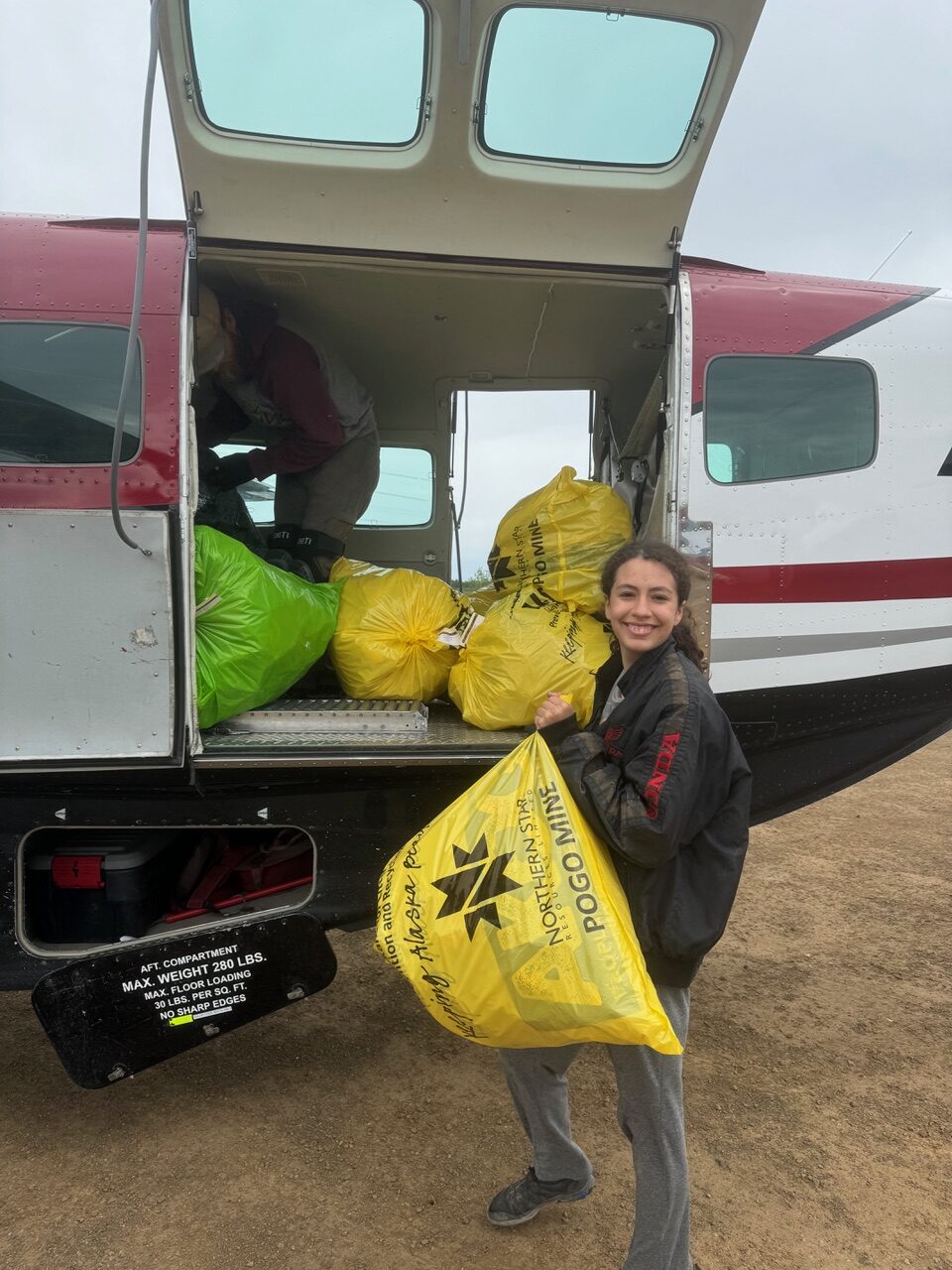
Through the Flying Cans and Flying Bottles program, communities across rural Alaska collect aluminum cans and plastic bottles and ship them out by air. This is done at no cost to the community, thanks to the generosity of local airlines like Northern Air Cargo and other members of the Alaska Air Carriers Association.
From there, ALPAR works with transportation partners to move recyclables to markets outside Alaska with backhaul support from partners like Totem Ocean Trailer Express, Matson Navigation, Lynden/Alaska Marine Lines, Alaska Railroad and Weaver Brothers.
In Railbelt communities like Anchorage, Kenai, the Mat-Su Valley and Fairbanks, ALPAR supports recycling through agreements with regional recycling centers to backhaul materials directly. Partnerships like these help make recycling possible when distance, transportation costs, and limited access can otherwise be major barriers.
These efforts keep valuable materials out of local landfills, support local environmental programs, and create opportunities for people to participate in recycling efforts.
Meet Tali: A Can Do Kids Leader
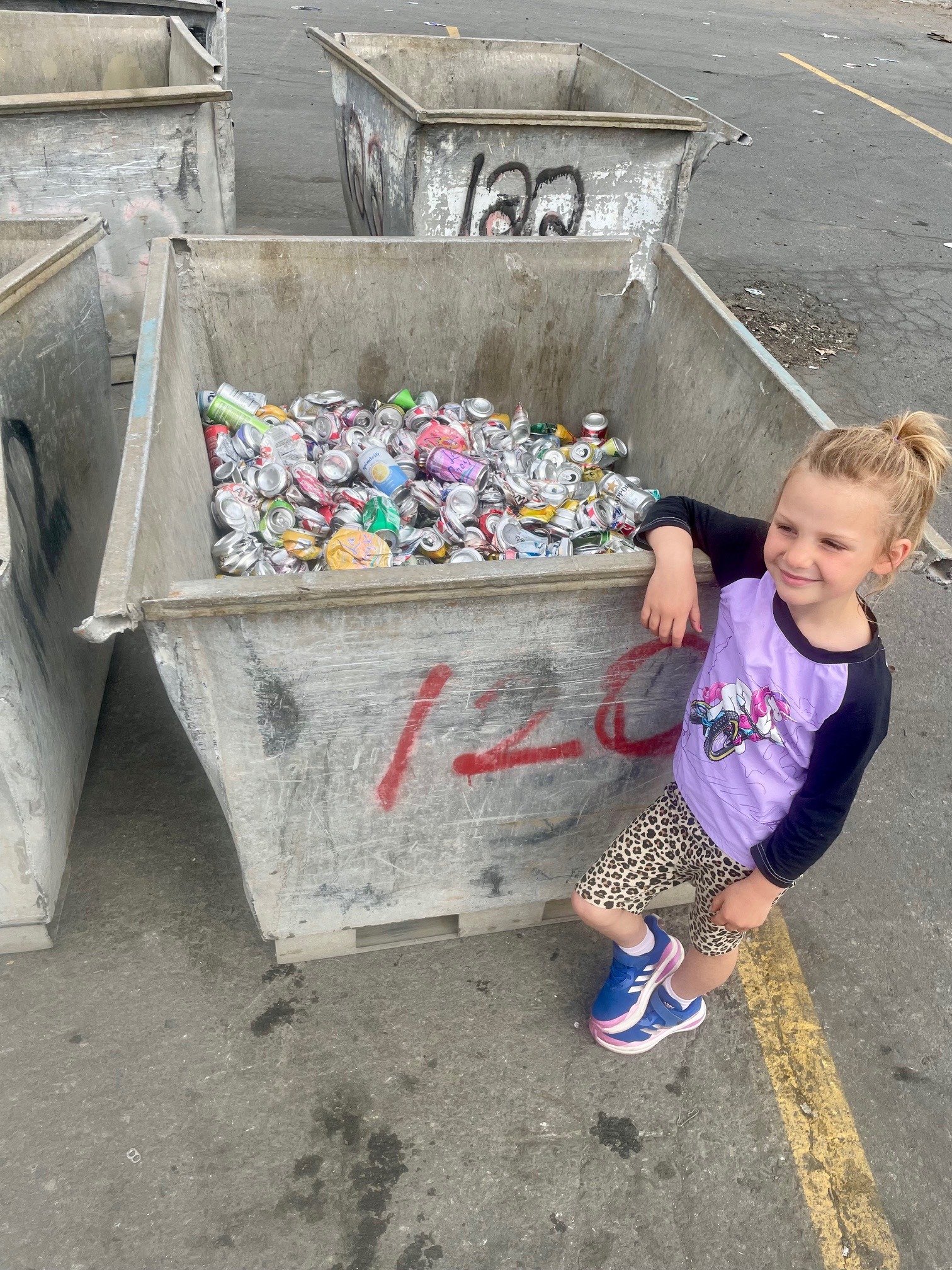
While programs like Flying Cans expand access, Can Do Kids is inspiring the next generation to take action. Tali is one of many young Alaskans turning recycling into something meaningful.
Through the Can Do Kids program, kids collect aluminum cans, redeem them for cash, and earn chances to win prizes, making recycling both rewarding and fun. But for Tali, it’s about more than just those incentives (though she was very happy to win the prize basket one lucky month). She started collecting cans with a simple goal—to help the environment:
Recycling takes our can trash and makes it into new things, like new empty cans that people can fill up, or metal parts for our community. Recycling makes parts for cars and stuff, and it helps make a healthy earth.
-Tali
Tali has gone the extra mile, and then some, in her efforts. One summer, she gathered cans at her family’s remote cabin, reaching out to neighbors and collecting everything she could. Then she helped transport them back to Anchorage by 4-wheeler, boat, and truck. In another memorable moment, she asked for cans as birthday and holiday gifts. And she was genuinely excited to receive them!
For Tali and her family, Can Do Kids is about building awareness of recycling, responsibility, and a way to strengthen family relationships. Her parents describe her as enthusiastic and persistent, often reminding friends and family to save their cans. It’s also become something more personal. Her mother, Chrissy, loves that participating in Can Do Kids means Tali gets to spend quality time with her father. “Tali is very enthusiastic about the whole program, but it’s also special Dad-Tali time,” says Chrissy. They even enjoy the process itself—crushing cans is actually pretty fun to do to rock music in the garage or driveway.
Tali’s advice for other kids? Have a designated spot in your house or outside for used cans. And, rinse out the cans before crushing them—you’ll avoid the stickiness and residue that can attract wasps in the summer.
Through participation, Tali is learning how small actions connect to larger outcomes. Her story is a great example of how education, access, and enthusiasm can come together to create good habits that last.
Why Programs Like Can Do Kids Matter
Programs like Can Do Kids help bridge the gap between education and action. They give youth the opportunity to:
- Understand how recycling works
- See the direct impact of their efforts
- Contribute to their communities
- Develop lifelong habits that support sustainability
Across Alaska, these small actions add up and keep valuable materials out of landfills while reinforcing the importance of environmental stewardship.
Getting Involved
The Can Do Kids program is open to youth across Alaska. Participants can collect aluminum cans from home, friends, or community spaces, redeem them for cash, and be entered to win monthly prizes. It’s a simple way for kids to make a difference, while learning, earning, and having fun along the way.
If you or your child would like to get involved, it’s easy, and open to all kids who can collect cans and get them back to Anchorage. To participate:
1. Collect aluminum cans from home, friends, neighbors, or a parent’s workplace
2. Aluminum only (magnets won’t stick!)—a quick rinse is appreciated
3. Keep cans dry and stored in clean bags or boxes
4. Drop them off at the Anchorage Recycling Center, redeem for cash, enter to win!
For current drop-off hours, call the Anchorage Recycling Center at 562-2267.
The Can Do Kids program is run by ALPAR and supported by the PepsiCo Foundation, Smurfit Westrock Recycling, and the Anchorage Recycling Center.