 Follow
A filled cleanup bag, a pallet of electronics ready for shipment, or a load of aluminum cans headed for recycling offers a picture of how Alaskans are caring for their communities. The numbers behind those efforts help tell the larger story of how many people are involved, how much material is collected, and how far that work reaches.
Throughout October, ALPAR shared snippets of cleanup and recycling efforts across the state and the numbers behind them. We explored the reach of our programs, the activities they support, and the results communities are reporting.
Behind those numbers are young people collecting litter and keeping their land clean, organizations coordinating recycling events, and partners helping move recyclables in the challenging environment of Alaska.
Supporting Cleanup and Recycling Across Alaska
One of our most wide-reaching ALPAR programs is our cleanup bag distribution. So far in 2026, ALPAR has received 125 bag orders from 117 organizations, totaling 171,400 bags:
- 143,800 yellow cleanup bags
- 21,800 green recycling bags
- 5,800 marine-debris bags
These orders represent several kinds of work, including community cleanups, Youth Litter Patrols, and Flying Bottles collections. Bags ordered measure the reach of this support, while reports from participating communities and organizations help show what happens and keep everyone accountable. Providing bags is just a single step in a larger process, but it’s an important one.
Youth Putting Community Care into Practice
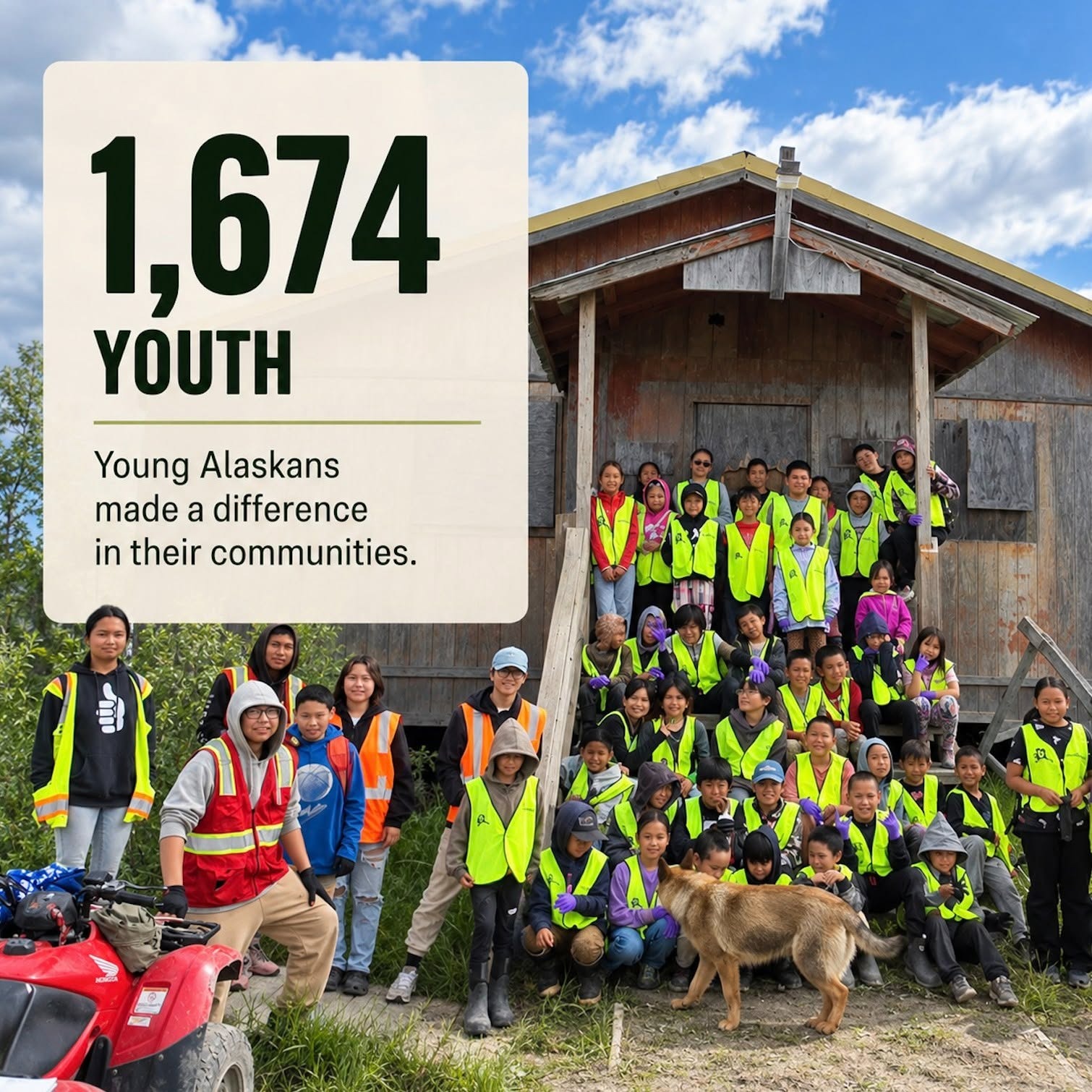
This summer, 1,674 youth participated in litter patrols across Alaska. This is what the numbers show so far—and reports are still coming in! Participating programs reported removing 8,979 bags of litter, along with 60 additional bags of aluminum cans. Their work covered approximately 450 miles of roads, pathways, beaches, and river areas.
Those figures show the amount of hands-on effort that goes into this long-running program, which employs youth across the state, giving summer jobs and responsibility to our young people. Youth Litter Patrols also give our youth an opportunity to contribute to and care for their communities. Every route covered and bag collected means time spent taking care of shared spaces and learning how individual effort can really make a difference.
Mini Recycling Event Grants Supporting Local Solutions
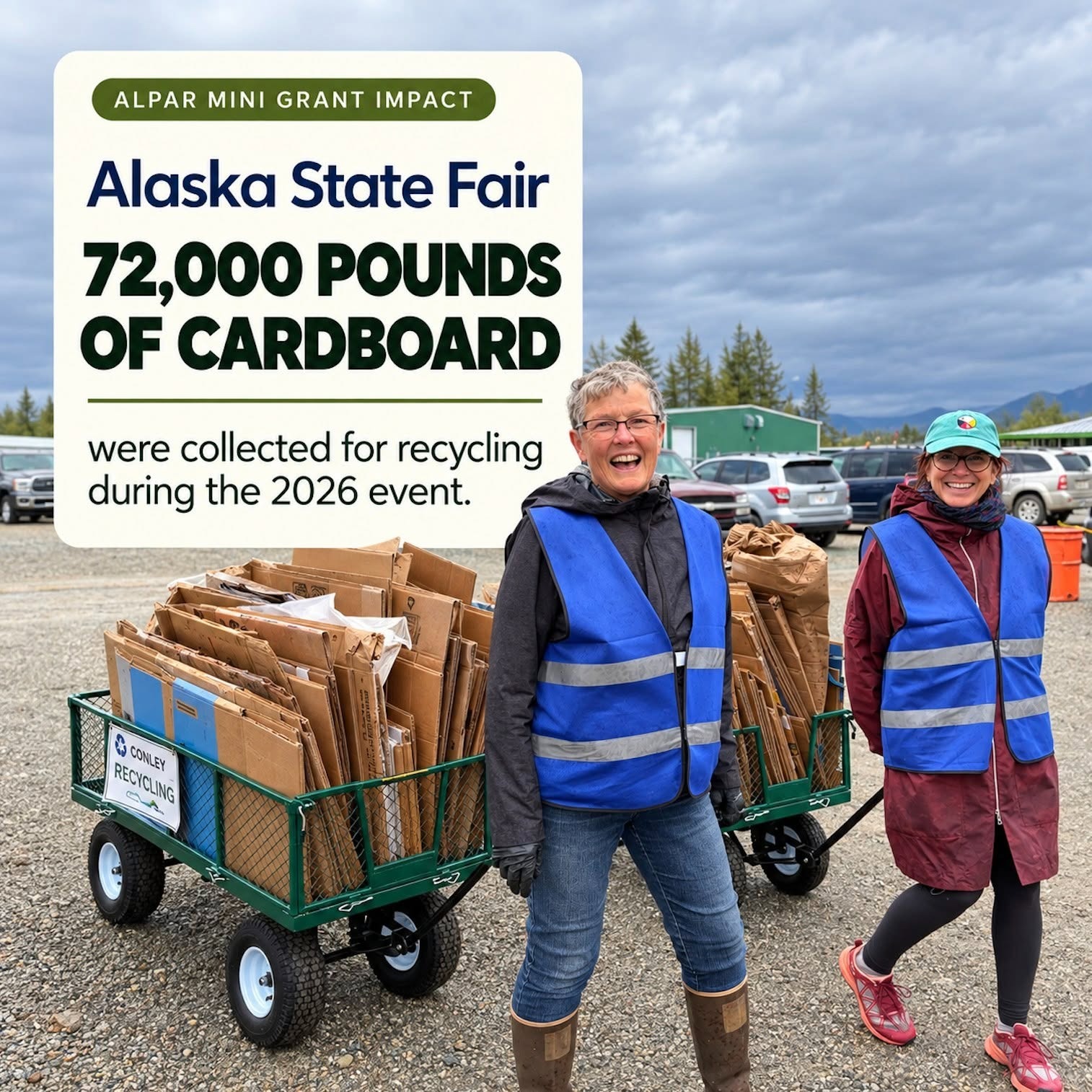
ALPAR’s mini-grant program helps organizations carry out recycling efforts that respond to local needs. This year’s snapshot includes eight approved grants totaling $4,750 so far in 2026.
These grants support a variety of activities and events:
- ?? Alaska State Fair: 72,000 pounds of cardboard collected for recycling (!) along with 1,610 pounds of aluminum, and 1,810 pounds of plastic bottles
- ? Craig Tribal Association: 5,360 pounds of electronics recycled
- ? Native Village of Eklutna: approximately 6.5 tons of material collected
- ? New Koliganek Village Council: four pallets of electronics and batteries collected and prepared for recycling
- ? Native Village of Noatak: grant funding helped purchase two recycling bins to support ongoing collection of cans and plastic bottles; 89 residents also participated in the community’s related cleanup efforts
From a busy public event to a village collection effort, local organizations are finding ways to gather materials and prepare them for their next destination.
Do you have a recycling event need in your community? There’s still funding available. Alaska nonprofits and Tribal entities planning collection events for hard-to-recycle materials can apply for an ALPAR mini grant. Typical requests range from $250–$500, although other amounts may be requested.
Apply: https://wkf.ms/3N4epfM
Helping Recyclables Make the Journey
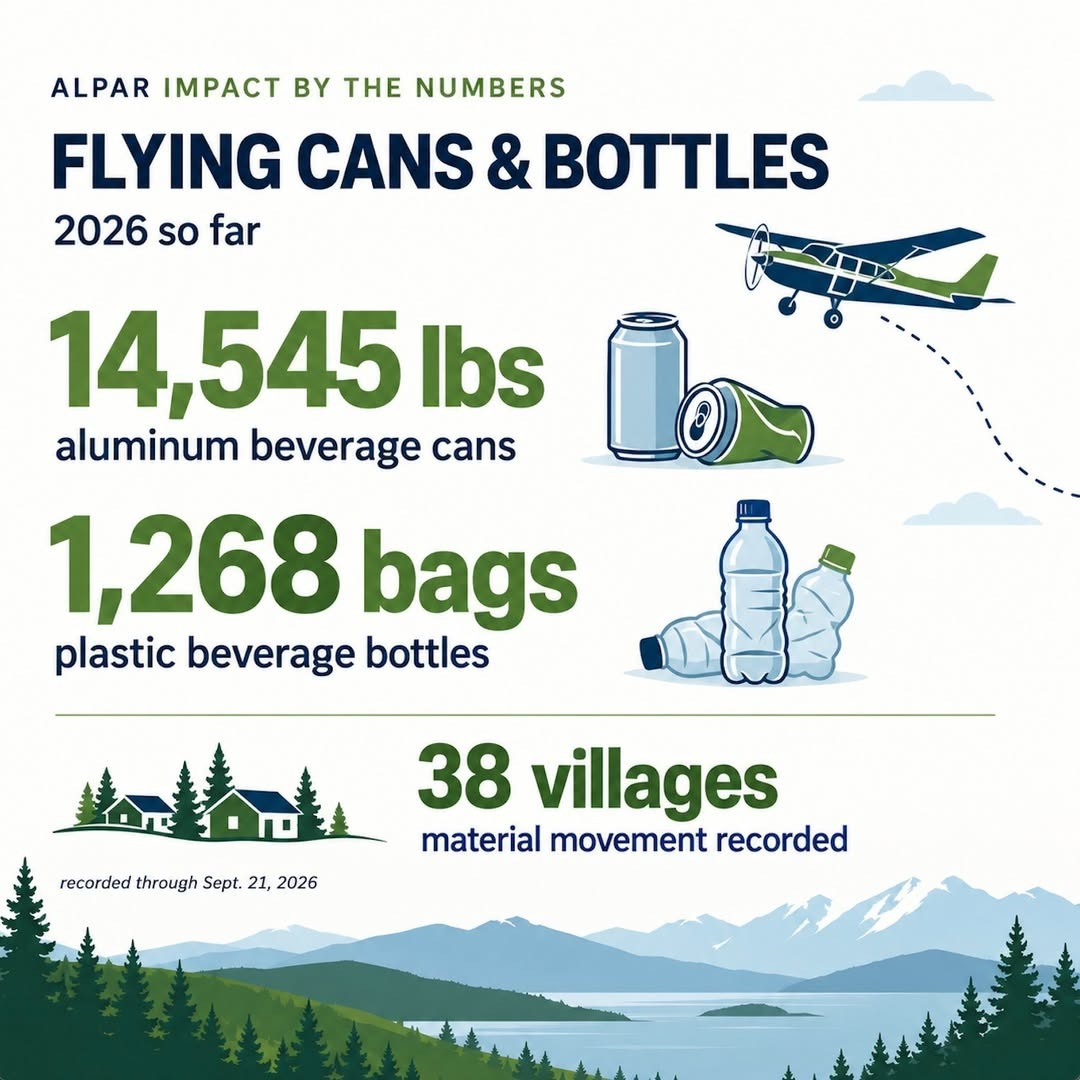
For many of our Alaska communities, collecting recyclables is the easy part. Getting those materials to a processing facility requires a bit of creative effort. For many years, ALPAR’s Flying Cans & Bottles program has helped move recyclables from rural communities off the road system, and where local recycling services and river or port transportation options may be limited or unavailable. Cans and bottles are flown in from far-flung locales, made possible through the support of Northern Air Cargo and the member airlines of the Alaska Air Carriers Association.
So far in 2026, the program’s reported shipments include 14,545 pounds of aluminum beverage cans and 1,268 bags of plastic beverage bottles, with material movement recorded for 38 villages.
By connecting local efforts with transportation options suited to Alaska’s geography, ALPAR helps communities keep recyclable materials moving toward processing facilities.
Recognize Someone Behind the Numbers
Do you know someone whose efforts make a measurable difference in your community? Perhaps they organize a cleanup each year, help neighbors recycle, teach young people about litter prevention, or find a way to move materials that might otherwise stay in a local landfill.
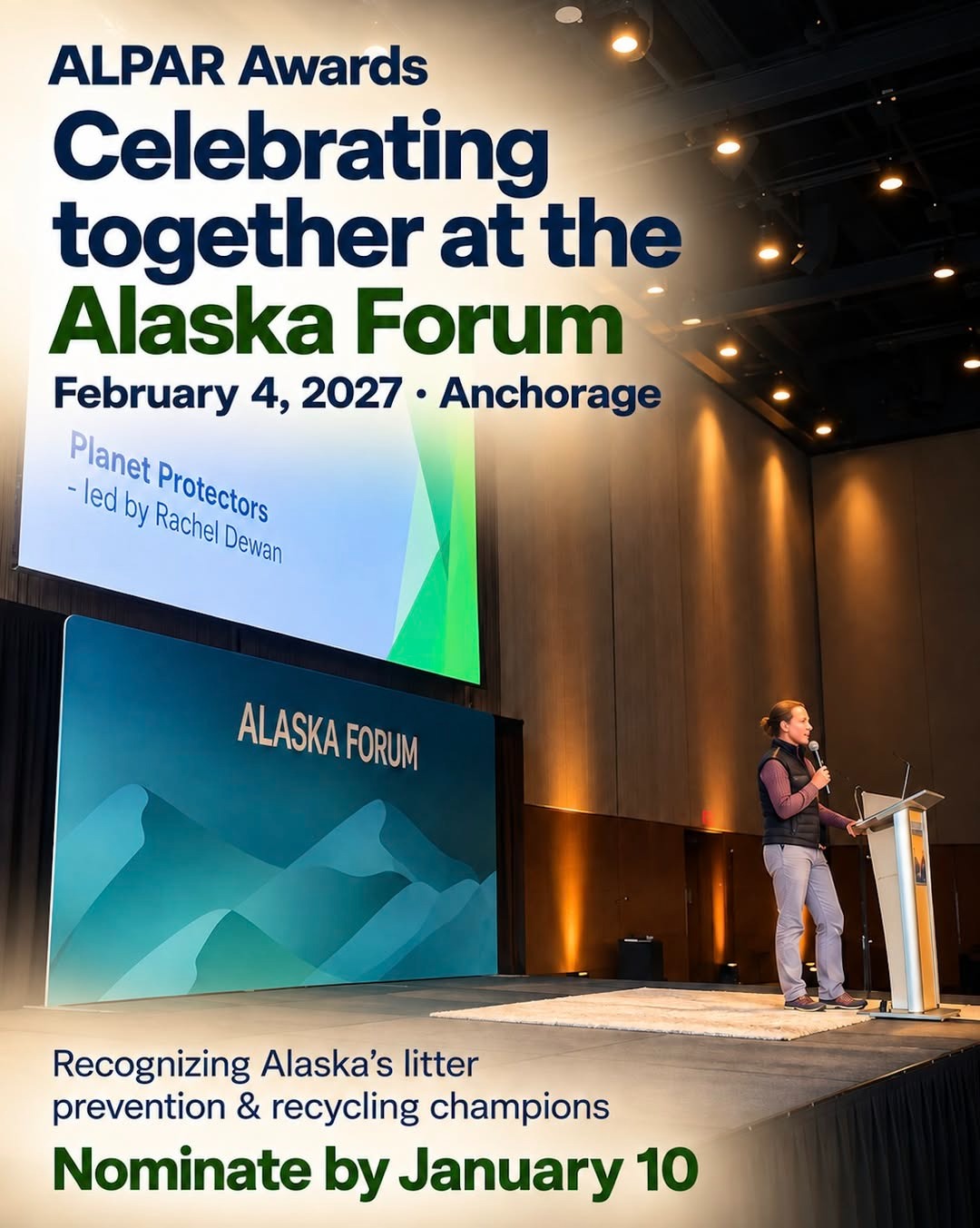
ALPAR’s annual awards recognize the people, organizations, Tribal entities, and businesses behind work like this. Nominations are now open! It’s a chance to share the stories that bring the numbers to life and give those efforts some well-deserved recognition.
Winners will be celebrated at the Alaska Forum on February 4, 2027, in Anchorage. Each of the four Community Award winners will receive a $500 grant for the nonprofit associated with their work.
Nominate a litter prevention or recycling champion by January 10, 2027.
Understanding the Impact and Looking Ahead
Data helps ALPAR describe the reach of its programs, recognize community effort, and understand where support is making a difference. It also helps us ask better questions about access, participation, and what happens to materials after they are collected. And numbers can help illustrate how bags, grants, youth programs, and transportation partnerships support cleanup and recycling across Alaska. Take a look at the video infographic below for a wrap up of ALPAR’s 2026 data so far.
The data we highlighted this month are just snapshots of the work reported so far, rather than complete annual totals. Full 2026 program numbers will be available in January 2027, after year-end reporting is complete. We look forward to sharing a fuller picture of what Alaskans accomplished together!
Thank you to the communities, youth, volunteers, local organizers, partners, and sponsors behind this work. Your contributions give these numbers their meaning.