 Follow
In Alaska, recycling and litter prevention never happen through the work of one organization alone. Distances are vastly greater, and transportation options vary dramatically from one community to another. Some places have access to curbside service or local recycling centers, while others may need to move materials hundreds of miles by air, road, rail or barge before they ever reach a recycler.
For it all to work, everyone has to work together. Across the state, local organizations, nonprofits, transportation providers, recyclers, schools, community groups, youth, and volunteers are finding ways to coordinate, whether that means moving electronics out of rural communities, teaching students where materials go after the recycling bin, or committing to keeping a stretch of river litter-free year after year.
Over the past month, ALPAR highlighted some of the partnerships that make all this possible.
Recycling Beyond the Road System
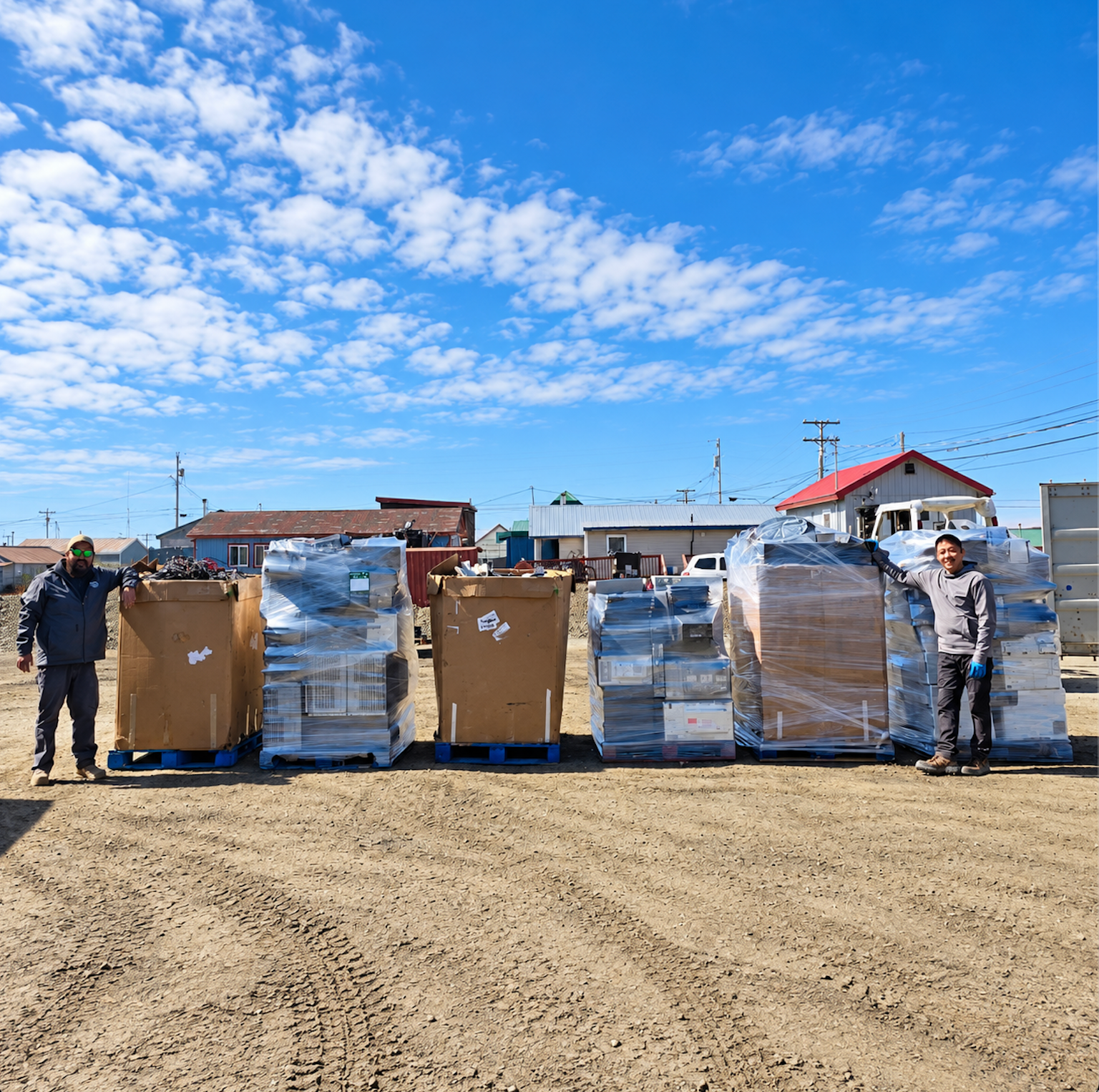
A June electronics collection event in Nome was a great example of just how many pieces may need to come together to recycle materials in rural Alaska. In just two days, Kawerak, Inc. collected 4,000 pounds of e-waste.
Kawerak has coordinated electronics collection and backhaul throughout the Bering Strait Region since 2011. Materials collected from regional communities must be prepared, packaged, stored and consolidated before they can begin the trip to a recycler. Kawerak works with Zender Environmental Health and Research Group and Backhaul Alaska, as well as Alaska Air Cargo, to move palletized materials from Nome to Anchorage. On return cargo flights, pallets of electronics can help balance aircraft loads that might otherwise require ballast, providing a practical transportation opportunity for recyclable materials.
Once shipments arrive in Anchorage, Zender and Backhaul Alaska coordinate their pickup and movement to recycling partners for processing. Overall, Backhaul Alaska has received roughly 28,000 pounds of material from Kawerak so far in 2026.
Recycling beyond Alaska’s road system means local organizers, their staff, proper packaging, storage, transportation partners, and downstream recyclers all are vital for the system to work.
Recycling Education in Action in the Mat-Su
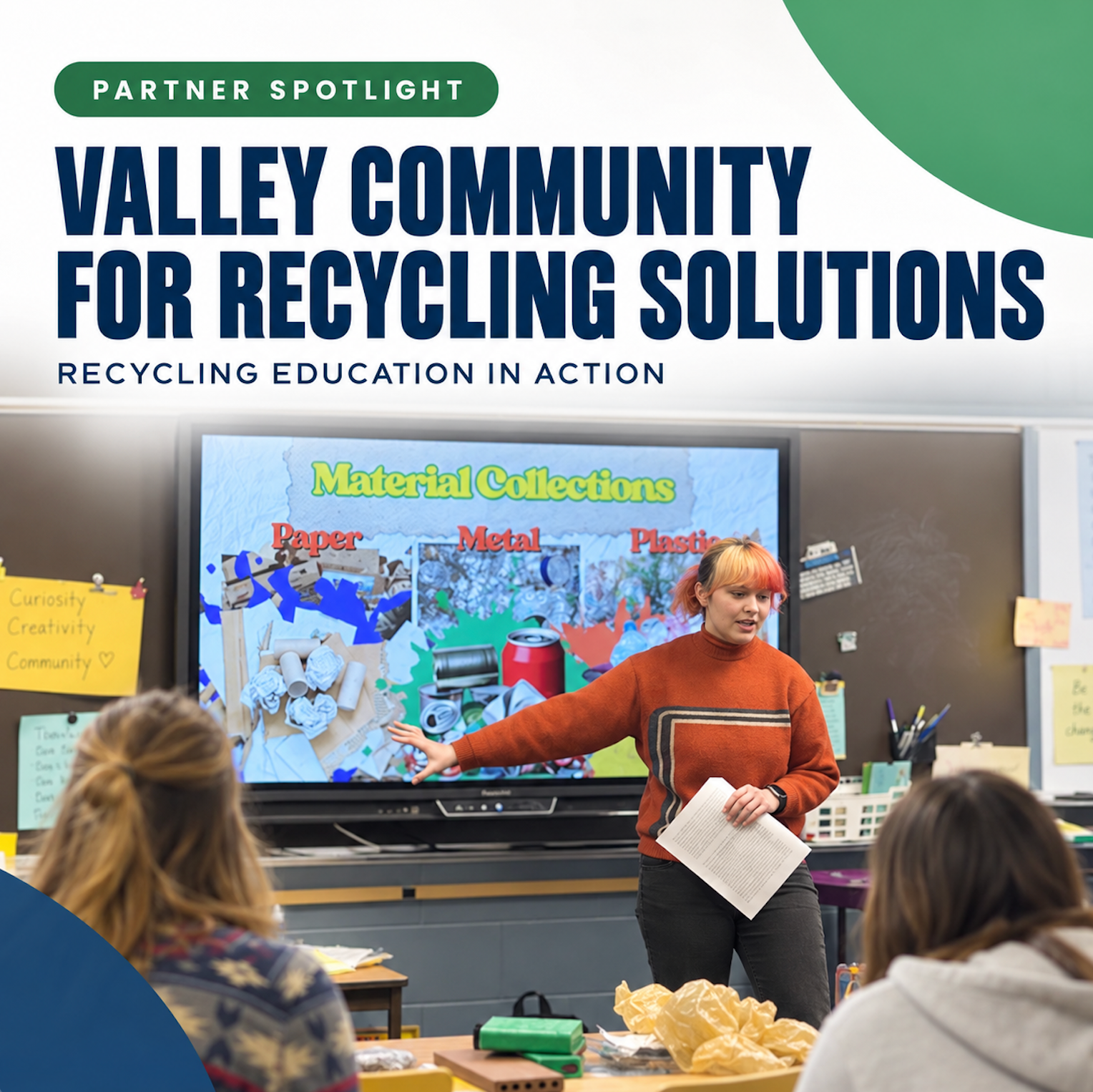
Partnerships are just as important when it comes to helping people understand why recycling matters and what happens after something enters a recycling bin. Valley Community for Recycling Solutions (VCRS), this past month’s partner spotlight, is a nonprofit organization leading the way in promoting recycling throughout the Mat-Su Borough.
Through educational programs, VCRS gives students, families and community groups several ways to see recycling in action. They offer 45- to 60-minute classroom presentations covering modern waste management, the life cycle of resources, and why recycling matters. Hands-on activities and community events give participants opportunities to engage directly with those concepts.
Groups can also visit the VCRS recycling center and see where materials go after they are dropped off. Field trips may include views of the processing floor and bale-storage area, while facility-floor tours are available for participants age 13 and older.
Experiences like these help turn recycling from an abstract idea into a process you can see, and help people understand how individual decisions connect to a larger materials-management system. Teachers, homeschool groups, Scout troops, youth organizations and after-school programs can learn more at valleyrecycling.org.
Bringing Alaska Recycling Into the Classroom
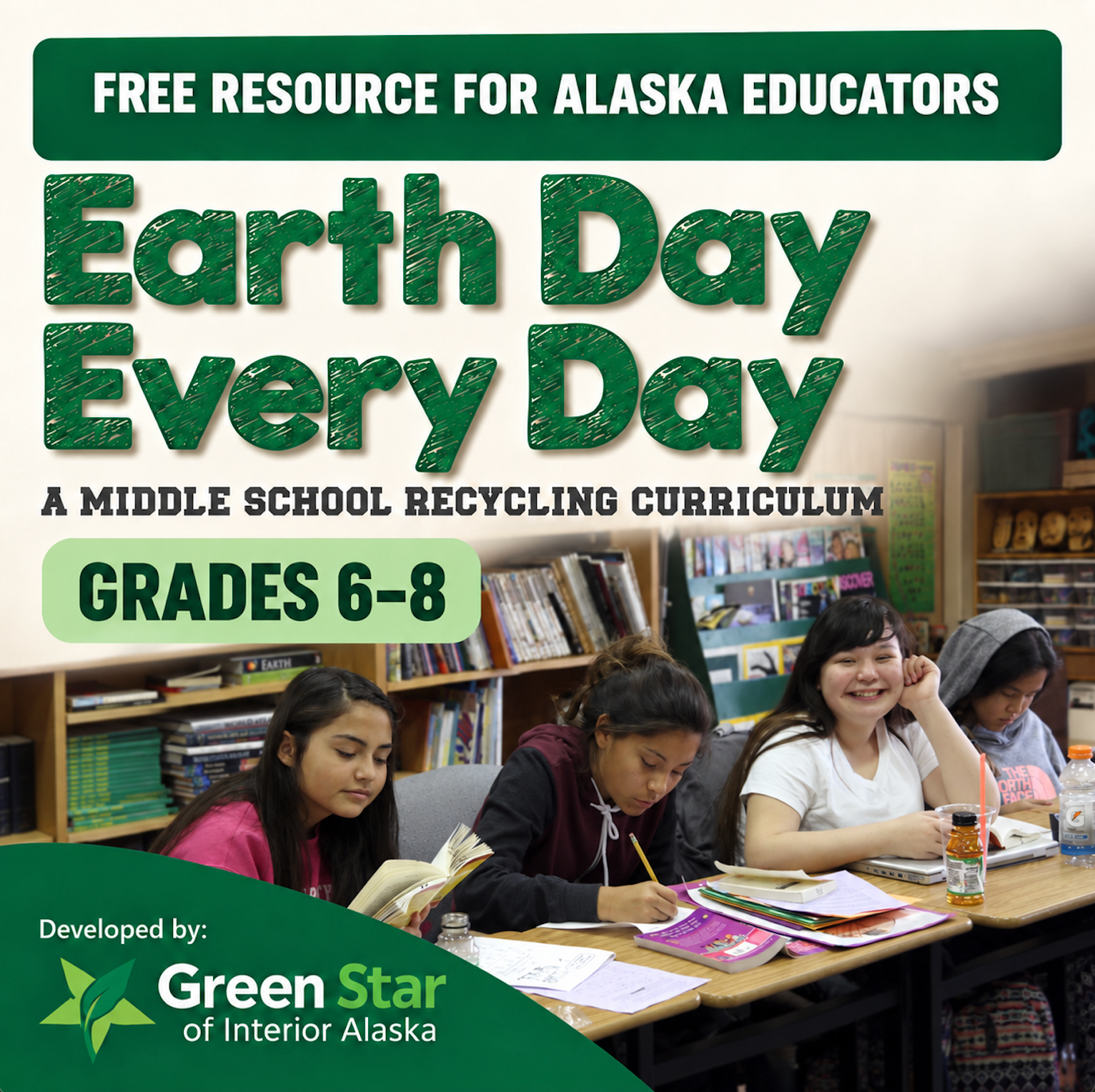
Another ALPAR partner, Green Star of Interior Alaska, is helping educators bring locally relevant recycling lessons directly into middle-school classrooms. Its Earth Day Every Day curriculum is designed for students in grades 6–8 and includes Alaska-specific lessons on waste, reuse and recycling. Topics include The Rotten Truth About Garbage, Introduction to the 3Rs and Recycling in Alaska. Activities can include conducting waste audits, researching local recycling options, exploring reuse, touring facilities and developing school recycling plans.
The curriculum was developed by Green Star of Interior Alaska with support from ALPAR and Kinross Fort Knox and is available digitally at no cost. Educators in the Fairbanks area can also access physical curriculum materials. For communities where students may have very different recycling options than those depicted in national educational materials, locally grounded resources can make a big difference.
Explore recycling education resources from Green Star of Interior Alaska.
A Long-Running Commitment to the Kenai River
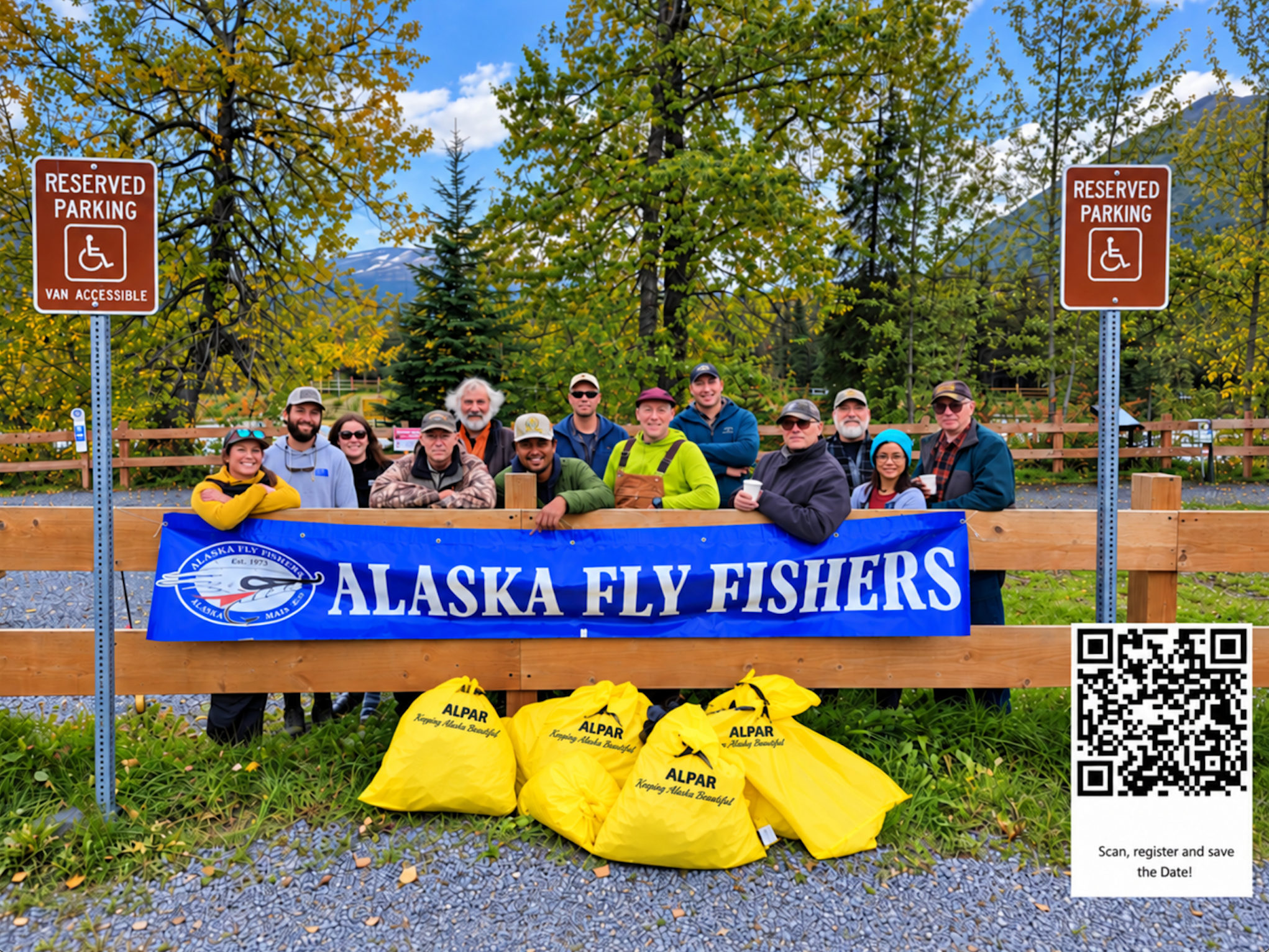
Sometimes collaboration starts with people who already have a strong connection to a place. This year, the Alaska Fly Fishers once again joined cleanup efforts along the Kenai River, putting that connection into action by collecting litter from an area that means a great deal to anglers, residents and visitors alike.
The group has been organizing Kenai River cleanups for over 30 years. Each fall, they bring volunteers together, focusing on the riverbanks and surrounding Sterling Highway corridor near Cooper Landing. The event combines litter removal with a community gathering, giving anglers and other volunteers a chance to care for a place they use and value throughout the year.
This year’s cleanup removed 20 bags of litter, helping protect the river and the surrounding landscape. The effort shows how local clubs and community organizations can bring their own knowledge, volunteers and sense of stewardship to Alaska’s broader litter-prevention network. There’s also time to gather, prizes for participants, and plenty of camaraderie. By all accounts, a good time was had by all this year.
Youth Take the Lead in Fairbanks
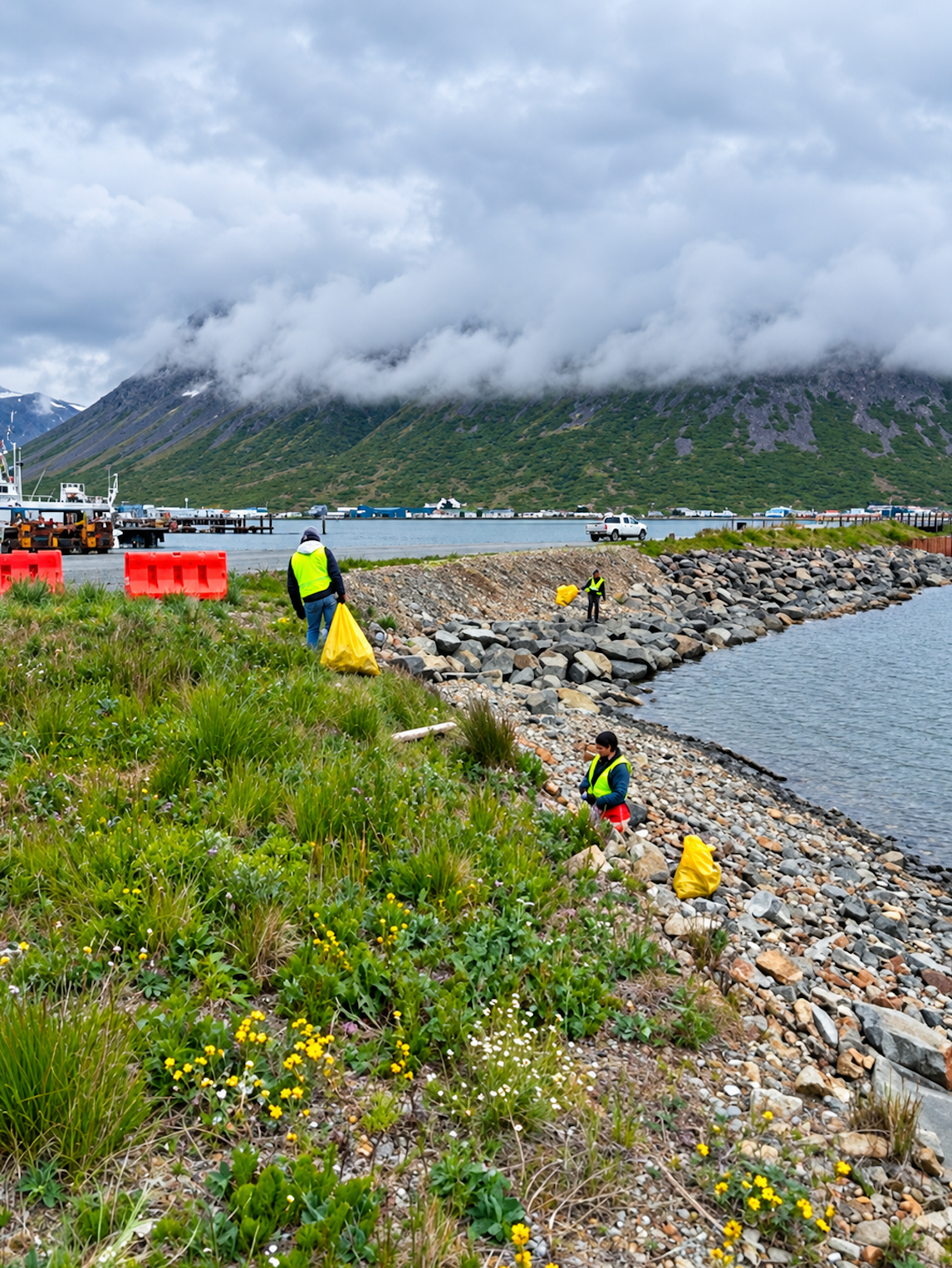
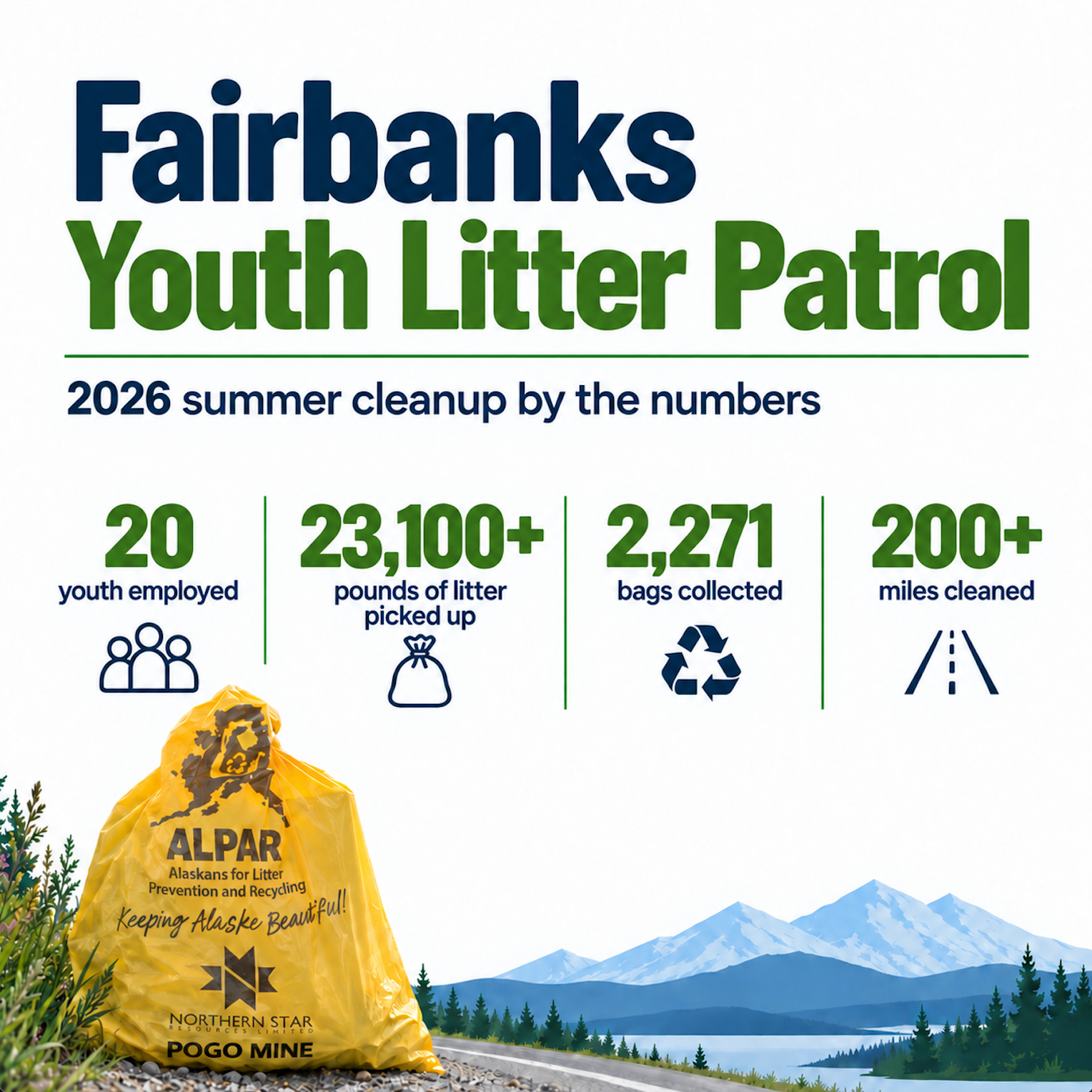
In Fairbanks, litter prevention gives young people a chance to make a visible difference while earning money for their work throughout the summer. In 2026, the Fairbanks Litter Patrol included 20 youth and four supervisors. Over the course of the season, the crew reported collecting 2,271 bags of litter and another 37 bags of aluminum cans while covering about 200 miles of roads and pathways and six miles of river area.
The effort has roots going back to 1983, when ALPAR, the Fairbanks Chamber of Commerce, an Anchorage Economic Development Corporation grant, and local community leaders helped get it underway. In 2001, Dick Ferris, Rose Todd, and David Drumhiller established the Fairbanks Youth Litter Patrol as an independent nonprofit, with David going on to lead the organization for roughly 25 years. That longevity really shows the value communities have placed on the program over time. Unlike a one-day cleanup, Youth Litter Patrol gives teens sustained paid work throughout the summer, while helping keep roads, trails, neighborhoods, and waterways cleaner for everyone.
Fairbanks is one of many Youth Litter Patrol efforts across Alaska, each shaped by its own community but connected by the same goal of giving young people an active role in keeping the places where they live clean and beautiful.
Learn more about ALPAR’s Youth Litter Patrols.
Collaboration Is Part of the Infrastructure
Recycling infrastructure often makes us think of bins, trucks, recycling centers and processing equipment. But in Alaska, relationships are infrastructure, too. A successful recycling effort might depend on a local coordinator in Nome, a cargo carrier with room on a return flight, staff in Anchorage ready to receive a pallet, and a recycler prepared to process what arrives. A student might understand recycling because a nonprofit visited their classroom, or because a teacher had access to a locally developed curriculum. And a river may stay cleaner because one organization agreed to come back every year for decades.
Those connections are what allow individual efforts to become lasting systems. ALPAR is proud to work with partners across Alaska who are helping make litter prevention, recycling and environmental education possible in communities large and small.
Looking for ways to get involved? Explore ALPAR’s Programs and Litter & Recycling Resources to find recycling, cleanup, education and community opportunities across Alaska.